Tag Archive for: successful mindset

What’s Inside?

  • The 4 stages to becoming a millionaire trader
  • What is the most important stage to making money trading?
  • What trading and mindset skills you need to become a profitable trader?

Since February of 2018, I’ve been envisioning how I want to build a complete trader training program that will teach you the stages, skills and mindset you’ll need to build to become a highly profitable trader who can pull a million dollars out of the market. I actually started working on this article over 6 months ago, and it has finally come to fruition.

If there was only one trading article you could read on my site, this would be it, so grab the popcorn as it’s a heavy hitter.

The goal of this article is to teach you about the 4 stages to becoming a millionaire trader. It’s designed to be a roadmap and structure for how to get from where you are now (likely struggling) to becoming a professional trader who can make a million dollars trading the markets.

millionaire-trader 2ndskiesforex

Before I get into the stages and roadmap, I have to explain a fundamental component and basis for this article.

Buddhism And Trading?

For the last 18 years, I’ve been training in Tibetan Buddhism, particularly in the Nyingma tradition. One of the amazing components of training in Buddhism is the ‘structure‘ and ‘stages‘ they clearly lay out for you. And a fundamental aspect of Buddhist practice has to do with the following formula:

Base, Path & Fruit

To explain this simply, the ‘base‘ is the starting point and foundation you build everything else upon.
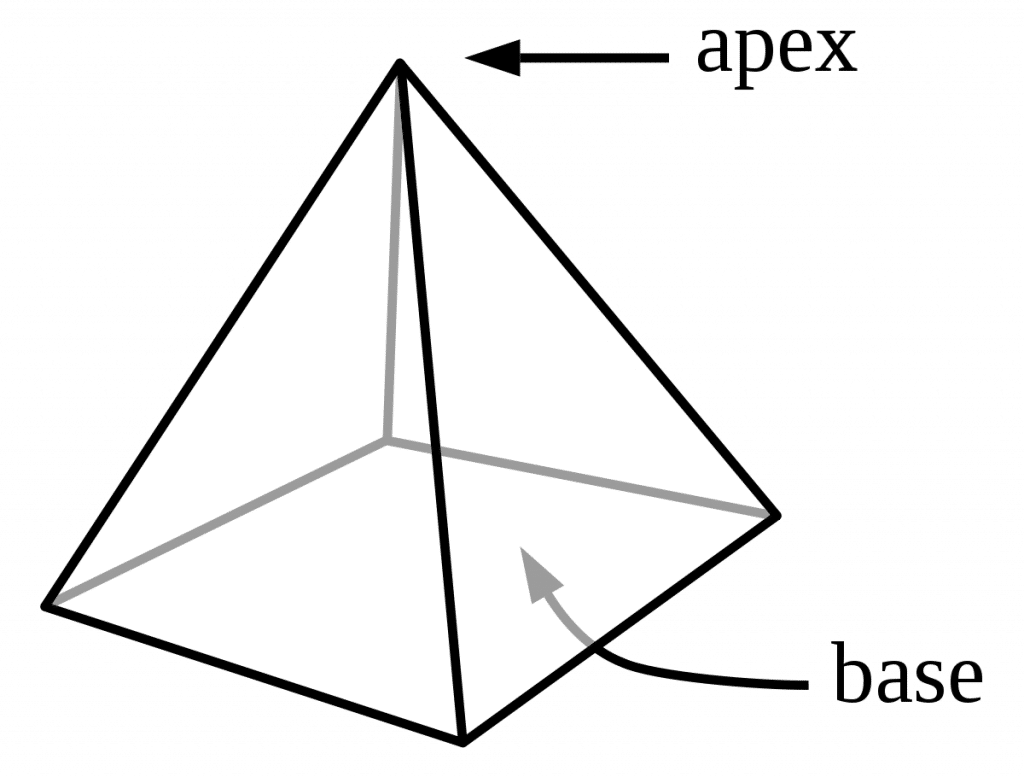
It’s a fundamental level of direct experience and understanding you need to have to complete a specific aspect of your training. It’s arriving at the base which is what makes any practice, training or method work. Without this, you’re just wasting your time.

Keep in mind, it is not something you can arrive at ‘conceptually‘. What I mean by this is, it’s not something you can just read in a book and understand. You have to have the actual direct experience before you can progress any further.

Think of it like this:

Who would you trust more? Someone who’s lived in Buenos Aires (Argentina) their whole life, and knows the city, streets, traffic patterns, restaurants, various barrios, how ‘corruption’ affects their daily business, local customs, etc? Or someone who’s spent the last several years ‘reading‘ about Buenos Aires, looking things up on google, and watched youtube videos about it?

I’m guessing every time you’ll take the former hands down, which you’ll notice has nothing to do with ‘intelligence’. The person who’s lived in the city has a ‘direct experiential‘ knowledge about Buenos Aires that cannot be read in a book, watched in a video, or learned ‘conceptually’. It has to be a direct experience!

The same goes for the ‘base’ in trading. If it’s not a direct experience, you simply cannot progress any further. This is what I mean by ‘base’.

The ‘Path‘ is the practice, methods and training you use to get you to the direct experience. It needs to be a specific path which takes you from point A to B.

The path needs to be very specific and clearly demonstrated to produce real results.

The ‘Fruit‘ is what you get when you fully complete the ‘path‘ by using those practices, methods and trainings. It’s the ‘result‘ of what you get when you do the work, and it also should be specific.

If you have the base in place, then you can begin the journey. If not, you’ll need to arrive at the base (just like you have to arrive at ‘base camp’ to climb Mount Everest), before you can proceed any further. There is absolutely no way to skip steps here.

This entire training and article is built upon these principles of Base, Path and Fruit. Simply put, if you follow the structure I’m laying out here for you, your progression will naturally follow and you’ll see the results in your trading performance, mental execution and mindset.

Each of the 4 stages to becoming a professional trader has it’s own ‘Base, Path and Fruit’. Before you can progress to the 2nd stage, you’ll have to complete the first. There is no way around this! So if your goal is to make a million dollars trading, you’ll want to go straight for the first stage.

Becoming A Millionaire Trader (Stage 1)

The very first stage to becoming a millionaire trader is what I call the ‘Stage of Discipline‘.

The ‘base’ of this stage is having the direct experience and realization that:

a) your brain is currently not wired to trade successfully
b) you’ve had the experience of how your mind, emotions, and skill-set are currently not sufficient to consistently make money
c) have a real passion for trading, and
d) a mindset focused on growth

If you have those 4 things in place, you have the sufficient ‘base’ to begin the first stage.

By now, you’ve probably witnessed how your emotions affect your trading decisions (FOMO, not pulling the trigger, fear of losing money, risking too much/too little, etc). You’ve probably also noticed how you’re not consistently disciplined in your approach (system hopping, changing instruments, not sticking to your trading plan, etc).

Sound familiar?

If you’ve realized what you’re doing isn’t working, and that you’re lacking certain skills + training, but still have a passion to make money trading + are focused on growth, then congratulations – you’ve arrived at the base of the first stage. You’ve accepted the fact you (by yourself) cannot make this work, that you need a trading mentor + build new habits to succeed.

If you’re here, then you’re ready to actually begin the first stage, which is the stage of discipline.

The only thing you need to pack in your bags from here on out is a commitment to getting past this first stage. You don’t need to have the commitment to become a billionaire trader. Just having the commitment and openness to train is the minimal requirements to begin the first stage. Consider this stage to be your ‘apprenticeship‘ in becoming a successful trader.

The ‘fruit’ of the 1st stage of discipline is ‘consistency‘. If you don’t have consistency, you’ll never a) succeed in trading, and b) make it to the 2nd stage.

I say ‘consistency‘ is the ‘fruit’ of this stage, because it’s what you get when you have a solid level of discipline in place. Without this, there is no progression in trading, and you’ll continue to make the same mistakes over and over and over again.
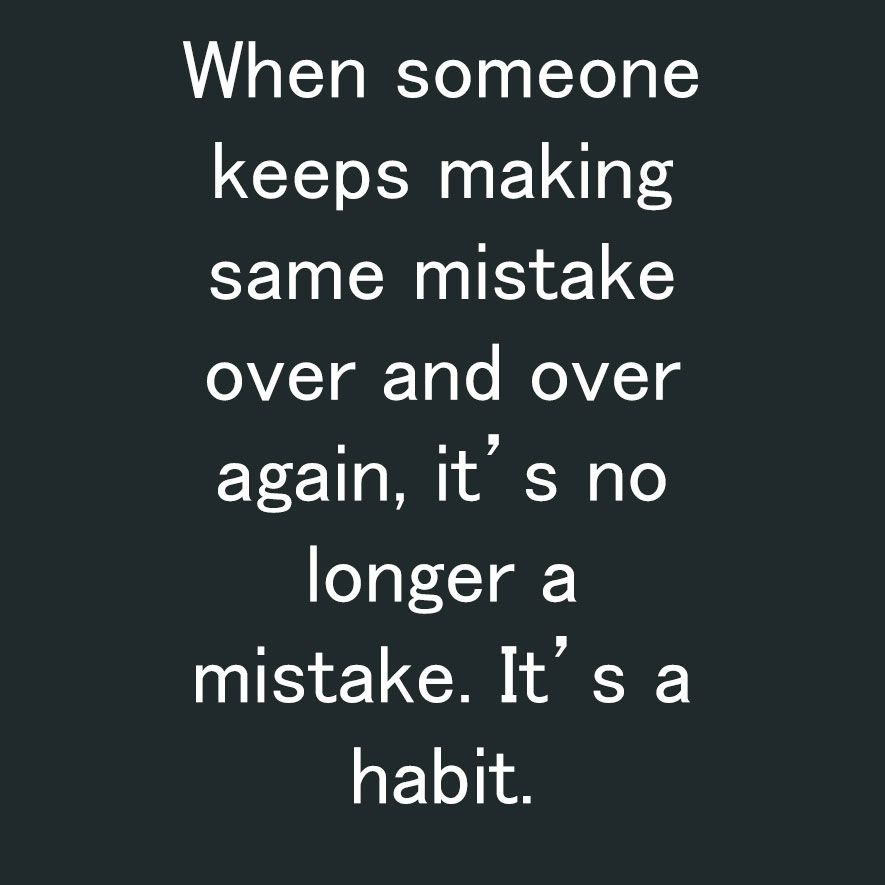
Does this sound like your current experience?

Thus, discipline is what helps you exit out of that cycle (repeating the same mistakes). It’s the force which allows you to break through your current bad habits around trading. It’s what allows you to execute the same things over and over again, regardless of the emotions you feel, or obstacles you come against.

Consider discipline a type of ‘armor‘ against that which will knock you off your horse and derail your progress. Essentially, it protects you against yourself, and is absolutely necessary in trading..

From my experience, both in Buddhism, and in trading, it actually has to get worse before you give up your current approach (which likely isn’t working). You actually have to suffer to the point you realize “I no longer want to suffer like this. I’m open to trying it differently.” This realization creates the first real opening for you to get out of that vicious cycle of repeating the same mistakes over and over again.

The ‘path‘ of the stage of discipline is the most intricate and nuanced part of your trading progression. It’s the hardest part of the mountain to climb, and requires the most effort on your part. This is because you’re going to be fighting against much of what you currently are, which by definition, is insufficient to consistently make money trading. If you were already there, you’d be doing it.

The ‘path’ has to consist of a series of methods and skills (trading and mindset wise) you’ll need to build to get to the ‘fruit’.

Practices & Methods For the Stage of Discipline

As stated before, the goal or fruit of the stage of discipline is consistency. This means consistency in your execution, decision making process, trading strategies you are using, what instruments you trade, risk management, etc.

Consistency, however, has a ‘root cause‘, meaning the root of what it grows out of. As I’ve stated before, consistency can only come from the mind. If you do not have consistent thoughts, thinking patterns, neurological structures, mindset, (etc) there will be no consistency in your trading. Hence your focus for building ‘consistency’ has to primarily consist of (and begin with) your mind.

If you are currently not experiencing any sort of consistency in your trading, then congratulations, you’ve discovered the root cause of your inconsistency (your mind). Now your initial goal in trading and becoming consistent may seem counter-intuitive, but I’m guessing you’ll find it makes sense when you fully understand it.

Your initial goal in trading should be to become a ‘consistentlylosing trader. Now many of you are likely thinking “I consistently lose now, why would I want this?” While that may be true in ‘form’, it’s not true in ‘essence’. What I mean by this is, while you may be consistently losing money, there are likely many components of your performance which are not ‘consistent’.

Some of these components can be:

  1. Risk Management – are you consistently risking the same % per trade? If not, then you’re not ‘losing consistently’.
  2. Trading Instruments – are you consistently trading the same instruments till you have a sufficient baseline to make a quantifiable decision? If not, then you’re not ‘losing consistently’
  3. Times of the day – are you consistently trading the same times of the day? If not, then you’re not ‘losing consistently’
  4. Pre-trade preparation – are you consistently preparing mentally for your trading day with the same routine? If not, you’re not ‘losing consistently’
  5. Pre-trade analysis – do you have the same consistent routines and methods (price action, ichimoku cloud trading, etc) for finding trading setups? If not, then you’re not ‘losing consistently’
  6. Post-trade analysis – do you have the same consistent routines and methods for analyzing your completed trades? If not, you’re not ‘losing consistently’
  7. Reinforcing successful trading habits – do you have the same consistent routines and methods for reinforcing successful trading habits? If not, then you’re not ‘losing consistently’
  8. Trading plan – do you have a detailed trading plan which has clear instructions for how to trade, how to train, and how to progress in your trading? If not, then you’re not ‘losing consistently’

I could go on as there are many other variables you’ll need to ‘lose consistently’, but my guess is, when you read the above and really take it all in, you’ll realize that you’ve been ‘losing money’ consistently, but not ‘losing consistently’. There a difference.

It takes discipline and a courage to say “I’m going to focus on consistently losing”, just like it takes discipline and commitment to not hit the target consistently in archery. But that is your initial goal in archery (not just hitting the target), but ‘consistency’ in your technique, process and movements. If there is no consistency in your stance, alignment, breathing, holding of the riser (main bow structure), how you grip the bow string, how far you pull it back, etc…there will be no consistency in where your arrows land.

(Image: Brady Ellison – #1 US Archer – Recurve Bow)
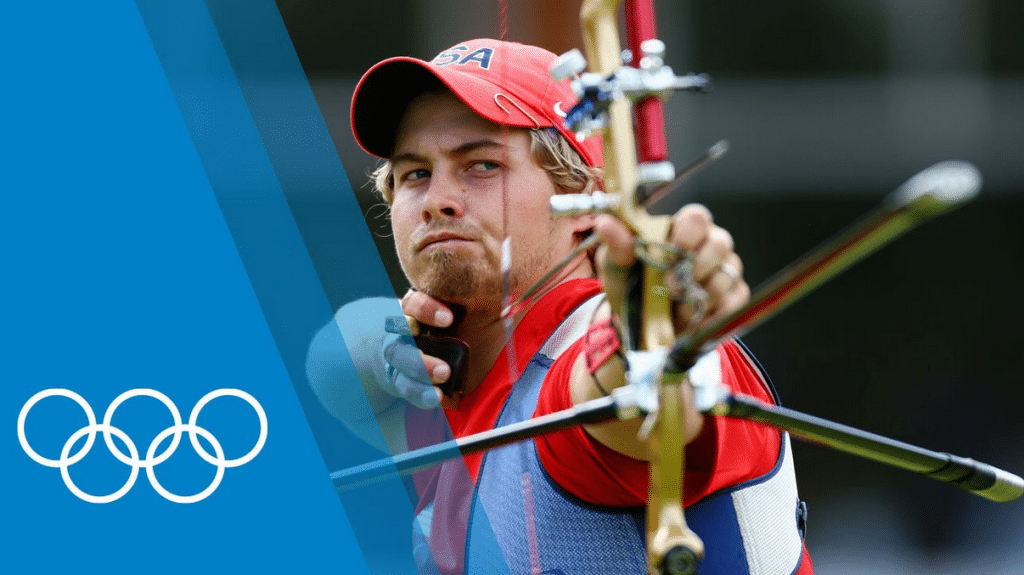
Trading is no different!

Hence in sounding somewhat masochistic, your initial goal in the first stage of discipline is to learn to ‘lose consistently’. By doing this, you’re building the foundation which the entire house you want to build will rest upon. Then you can focus on being a consistently break-even trader. Then you can focus on being a consistently profitable trader.

But before all this, you’ll need to focus on building the prerequisite trading skills, which can be defined as the following:

1) Trading Methodology & Approach

There are only 4 major trading methodologies, or approaches to the markets. They can be any of the following; 1) technical, 2) fundamental, 3) sentiment, 4) flow based.
Now any one of these can fall into broad categories, such as (discretionary, rule-based, hybrid, quantitative).

The approach I teach is a ‘technical‘ model based upon understanding price action context and the order flow behind it. I teach this method because it can be applied to any instrument, time frame or environment, and is based upon what all trading decisions are based upon (*information).

Regardless of whether you are a technical, fundamental, sentiment or flow based trader, all trading decisions are derived from ‘information’. Eventually that information has to be converted into an actual trade (and thus order). All ‘activated’ orders become ‘actualized’ order flow. And order flow is the most proximate driver of price action.

This is why I teach price action context and the order flow behind it, because I’m teaching you a ‘root’ method which communicates the footprint of all orders and trading decisions. By understanding these, you can give yourself the highest probability for trading with the dominant order flow in the market, which is what drives all price action. By doing this, you can learn to trade with the larger players who will most likely dominate directional price movements (which is what we want to capitalize on).
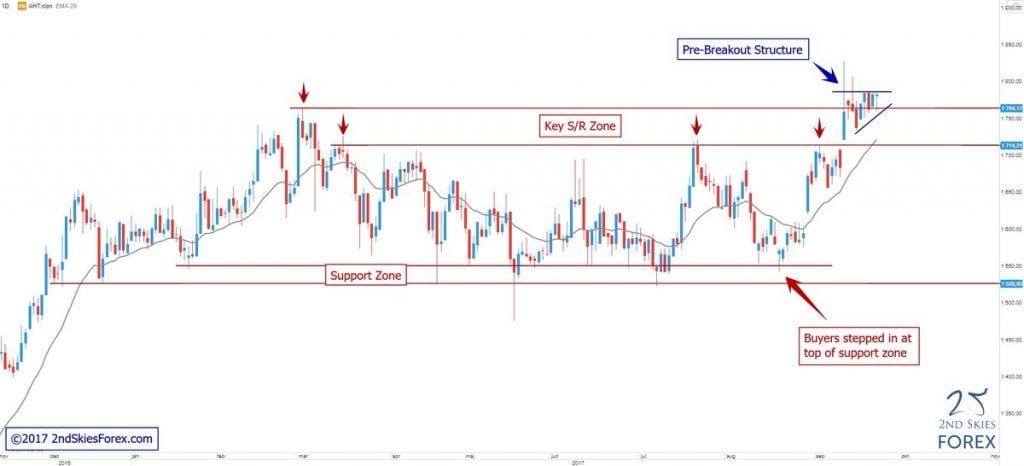
price-action-2ndskiesforex

Price Action Trading Skills

There are many price action trading skills you’ll need to build, and it is important not to learn these skills out of order. I often find traders trying to learn more advanced skills before they’ve built a solid set of foundational skills. One common example is struggling traders trying to trade counter trend before they’ve learned to trade with trend (with the latter being easier).

Now assuming you understand what candlestick charts are, time frames, and what the basics of price action are, then you’ll need to build your core skills of price action. In price action trading, the first set of ‘core’ skills you’ll need to learn is what I call the 3 pillars of price action context.

I’ve talked about the first pillar of price action context, which is being able to identify impulsive and corrective moves. The reason why this is the base pillar is it gives you the most amount (and most nuanced) information about the price action and order flow happening right now.

It tells you who’s in control of the market (buyers/sellers), and who’s not. It tells you how to read momentum in the price action without any indicators. It tells you when are optimal times to take profit, and not take profit. It tells you when you’ll need to be patient, and when you need to make a quick decision. It tells you when trading breakouts are more likely (or more probable) to occur, and when they are less likely to succeed.
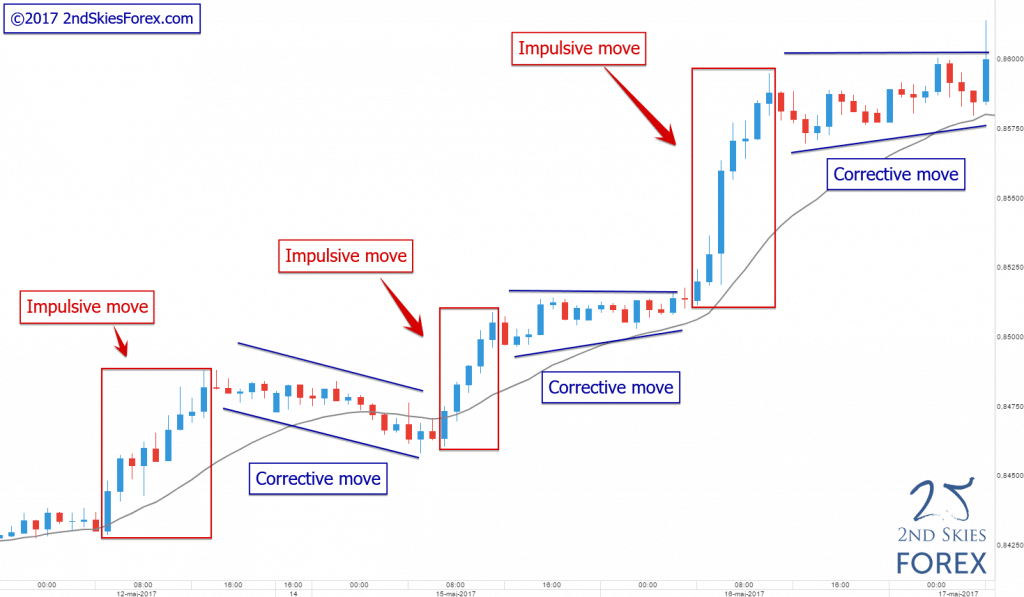
impulsive-and-corrective-price-action 2ndskiesforex

There is a lot more impulsive and corrective moves can tell you about price action, but by learning these, you start to learn how to think like a price action trader, and see the dominant order flow behind it. This is why it’s the first pillar. If you want to learn about the other two pillars of price action context and the order flow behind it, then check out my price action course where we talk about this extensively.

Now before you can even practice these skills and making actual trading decisions, you’ll need to first be able to identify (with 90+% accuracy) these 3 pillars of price action context. My formula for how to build your trading skills (and price action skills) is simple:

Sim, then Demo, then Live

What this means is, after you’ve watched videos and understood (conceptually) the components of an impulsive and corrective move, you’ll want to start building your pattern recognition skills in the charts. You build these pattern recognition skills so you can identify them automatically, and thus, sub-consciously.

If you’ve ever looked at a chart and had the thoughts, “Is this a such and such pattern? I’m not sure, how do I know? I know it said it has to have x, y and z, but is this part the same, or is it different…

Have you had this experience before? If so, then your skills are not ‘sub-conscious‘. The reason why this is important is you want to use your cognitive thinking, analysis and bandwidth for finding profitable trade setups. If you have all those thoughts going through your mind, then congratulations – you’ve now realized your skills are not sub-conscious, so that should be your next goal.

By starting with a trading simulator, you can have the opportunity to watch the price action unfold, pause it, take time to read it correctly, then resume the historical price action on the chart unfold.
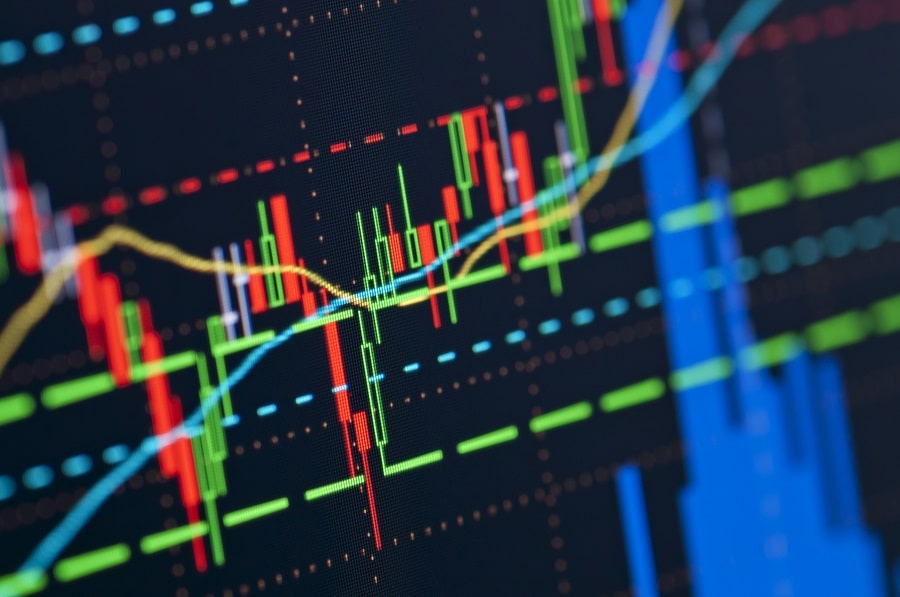
trading simulator 2ndskiesforex

This is why sim is the best place to start, because on demo, the charts just keep moving on whether you got the analysis correct or not. Just like pilots start off in a flight simulator to make sure they have the basic functional skills to fly a plane, you also need to start off on a simulator.

By looking over thousands of candles and charts in a short period of time via a trading simulator, you can increase your learning curve, and accelerate your pattern recognition skills, particularly being able to identify impulsive and corrective price action.

Once you’ve seen enough impulsive and corrective moves, your brain will eventually assimilate these patterns into its database, and be able to identify them on any instrument, time frame or environment with ease (and without doubt).

After you’ve mastered all 3 pillars individually, the next step is to assimilate them together into one cohesive picture (or gestalt). The goal here is to be able to easily identify all three of the pillars of price action context, then be able to come up with a ‘most probable’ direction of the market.

I say ‘most probable’ because this is a mindset you’ll need to develop to make it out of the first stage of trading. Beginners try to use ‘confirmation price action signals‘ because they think they ‘confirm’ the trade and direction. But 1, 2 or 3 candles is a small amount of price action + order flow, and rarely ever dictates the next move (~1% of the time).

Hence you have to shift your mindset from ‘confirming‘ (because there is no certainty in the market) to ‘probabilities‘, because probabilities is all you are ever dealing with. There is no certainty, and never will be when it comes to price action and the next direction. This is why I say confirmation price action signals will crush your account. If these so called ‘confirmation price action signals’ actually ‘confirmed’ anything, there would be ample statistics and data to back that up. Yet nobody to date has been able to provide this (which should tell you everything you need to know about them).

Now while you’re building your core price action trading skills, you’ll also need to build your mindset skills. To succeed in trading, you’ll need a successful mindset which will keep you on track when things are challenging, and help you execute what you need to when your trades and emotions are really affecting your thoughts and trading decisions.

Mindset Skills to Build Consistency In Your Mind

If you’re working towards consistency in your mind, there are several core mind/mindset skills you’ll need to build. For the purposes of brevity and not turning this into a long novel, we’ll talk about the 3 most important mindset skills you’ll need to build consistency in your mind and make money trading.

The first mindset skill you’ll want to build is understanding how the brain works. By understanding how your brain and mind work, you can accelerate your learning process by working with how your brain functions, not against it.

One of the most fundamental aspects of the brain is its ability to re-wire itself. This principle is called neuroplasticity. 
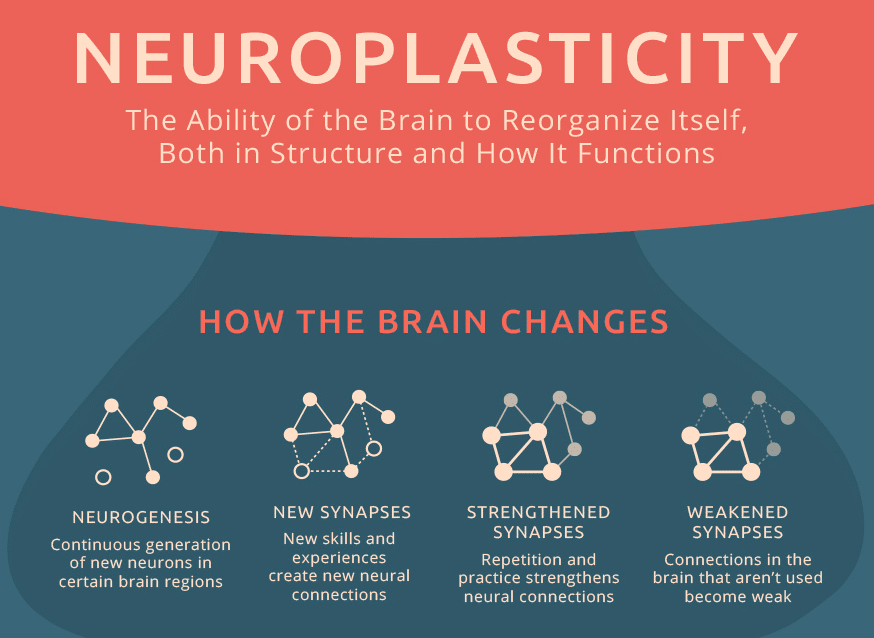
Neuroplasticity can be summed up by the following phrase:

“Neurons that fire together, wire together”

Neurons are the basic neural cells you have in your brain. They connect to each other through axons and dendrites. By connecting to each other, they can pass information via electrical signals.

If you want to wire in a new trading habit, you’ll have to activate neural circuits which do this over and over again. By doing this over and over again, they strengthen those connections till they become ‘dominantly wired‘. Another term for ‘dominantly wired’ is ‘habit‘. Anything you have dominantly wired in your brain is a habit. So by firing the same neurons together, they wire together and form specific habits you’ll want and need to build a successful mindset.

This is where understanding how the brain works helps.

There are 7 components to neuroplasticity, but there is one fundamental ‘root‘ component behind all neurological wiring: Repetition.

By repeating the same thing (and thinking pattern) over and over again, you can wire in the trading habits you’re looking for.

It’s why basketball players will shoot free throws every day in practice. It’s why quarterbacks (American football) will practice throwing the football over and over again, so that their mechanics are automatic and sub-conscious. It’s why Bruce Lee said “I fear the man who practices one kick 10,000 times“, because such a person has that has practiced a kick 10,000x likely can throw it with speed, precision and power.

Repetition is the most fundamental building block to wiring new trading habits. Thus, understanding how the brain works is a fundamental mindset skill you’ll need to develop.

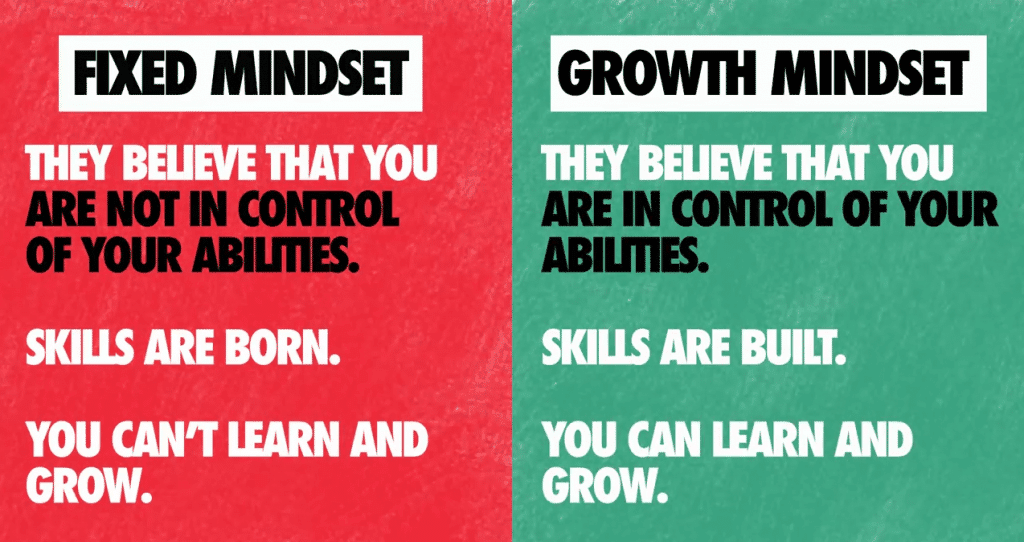
The second mindset skill you’ll need to build is what I call the GBT mindset. GBT = getting better today (also known as a ‘growth’ mindset).
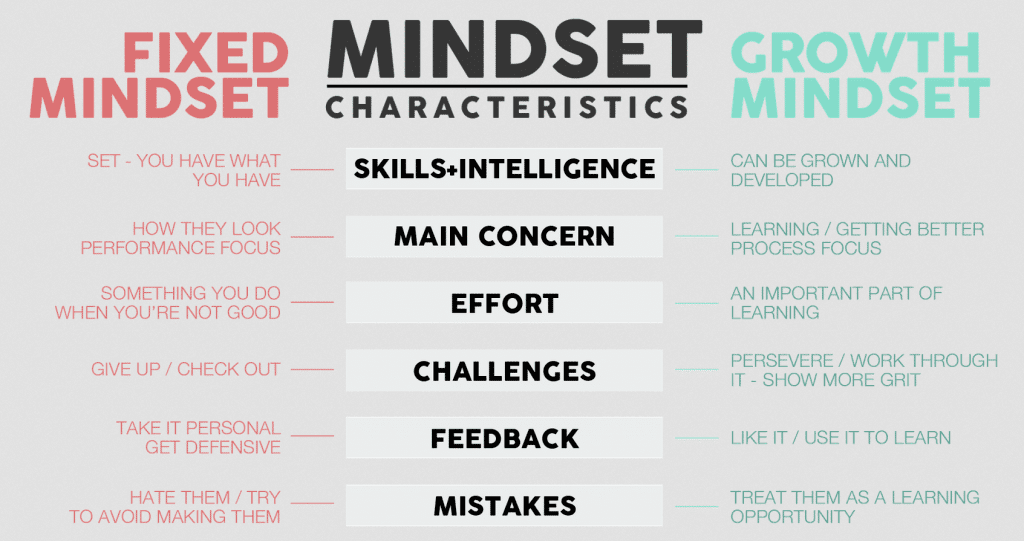
growth-mindset 2ndskiesforex

Notice the focus here isn’t ‘profitable trading now‘. It’s a trading mindset that works every single day to get better. By getting better today at your skills, you eventually build enough skills and competence to make money trading.

The GBT mindset is one that is focused on the process, and has a well designed process + skills + goals they are focused on. The process aspect is the methods and plan of action you engage to build your skills, which allow you to reach your goals.

If you’re just focusing on the results “dang, I’m still not profitable yet“, then you’re jumping too far ahead and not focused on what you need to succeed (skills: 1) technical, 2) risk management and 3) mindset). Hence your ‘goal’ right now if you’re not a profitable trader should be to build the skills to make money trading.

This is why you need the GBT mindset, and an approach which focuses on building your skills step by step, and getting better today at your current level of skills. Then once these are sub-conscious, you take on the next challenge.

The third mindset skill you’ll need to build to become a consistently profitable trader is ‘self-awareness‘.
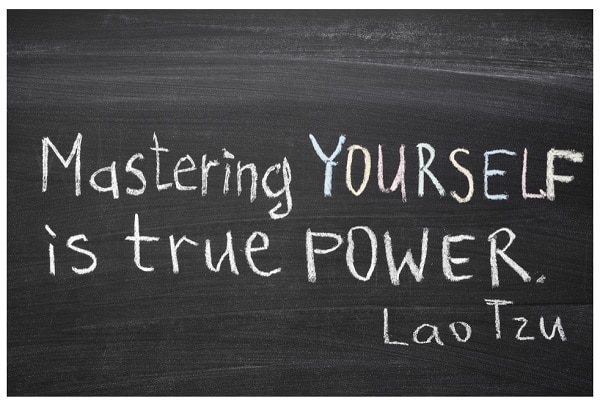
Now I’m not saying you have to become a zen monk to become a good trader. But you’ll need to develop a minimum level of self-awareness to make money trading.

Why?

Because if you really understand how the brain works, you’ll realize you are actually fighting your own brain and evolution to build a successful trading mindset.

How so?

Let me demonstrate this with a few key brain facts:

  1. You have about 500% more neurons for finding the negative vs the positive
  2. You are more likely to choose an immediate reward (even if it is a lesser reward) than delay gratification (for a larger reward)
  3. Your emotions heavily influence how you interpret (and code) an experience, memory or event

Now lets examine these 3 brain facts.

The first one should be obvious as to how it can affect your trading. If you are 5x more likely to notice the negative vs the positive, what do you think that means when you make a mistake, or a trade starts to go against you? How do you think that will affect your thinking in real time when you have to make clear, calm trading decisions? Do you think it will help, or hurt your decision making process?

Ever experienced a trade that was a winner but starts to go against you? Were you totally relaxed, or feeling ‘stress’ when it started to pull back? And do you think that stress affected your analysis and decision making? This tendency to notice the negative vs the positive is called the negativity bias.
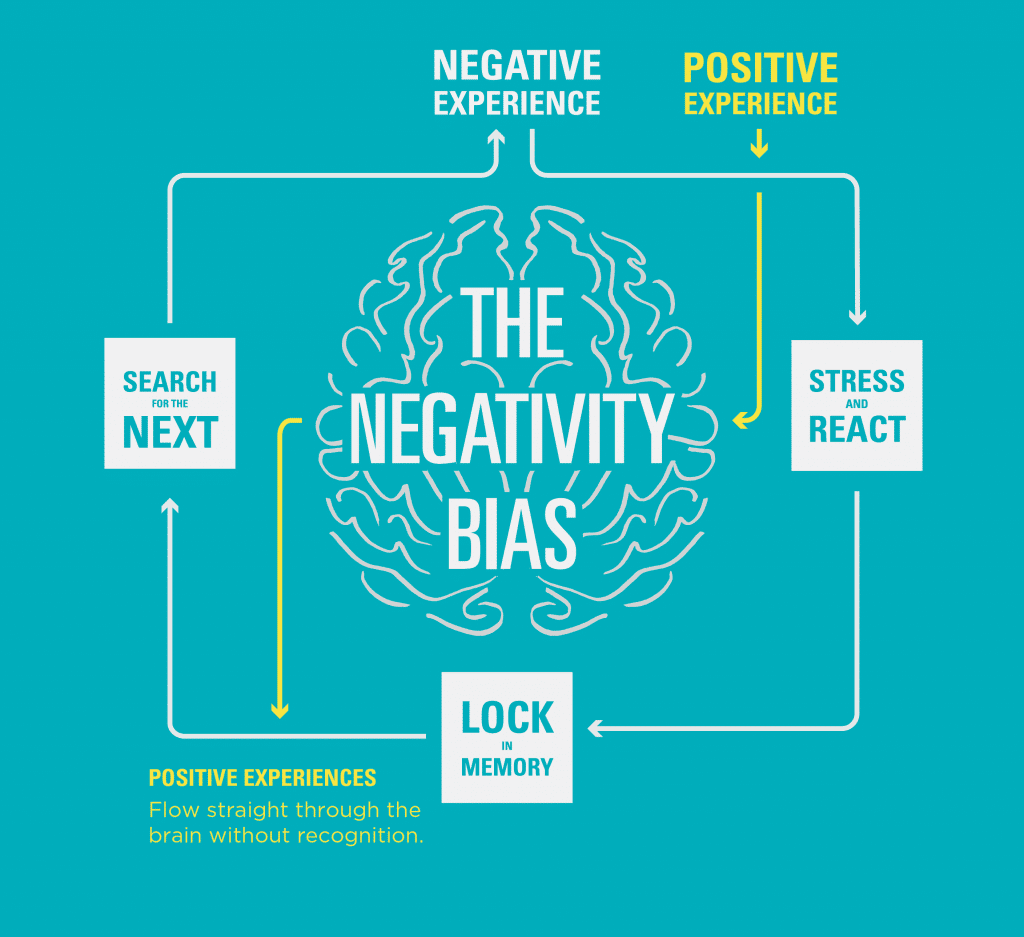
What about the 2nd brain fact? Ever chose to exit a winning trade too early? This is your brain working against you. If you’re more likely to choose a lesser immediate reward, don’t you think that will become problematic in making decisions which will lead toward long term success and trading habits?

In terms of the 3rd brain fact regarding emotions, just think about the majority of emotions you’ve experienced in trading. Have they been mostly positive or negative? Have they mostly helped or hurt your trading process, thinking and mindset? Do you even know how to use emotions to your advantage in trading? My guess is no.

Hopefully it is becoming clear why self-awareness is key. You can determine if the self-talk that’s going through your mind is accurate (“something doesn’t feel right about this trade“), misleading (FOMO, fear of pulling the trigger, etc), or not important (“I wonder how many people liked my last tweet”).

By building self-awareness, particularly around trading, you can learn to know when you need to stick to your discipline and/or trust your gut instincts. You can also learn how to self-regulate your mind, emotions and psychophysiology so you can make the most optimal trading decisions.
Simply put, if your biology and psychophysiology is off (heart rate, breathing, skin conductance, etc), the chances of you making a bad trading decision go up exponentially! And more often than not, the difference between making money trading and losing money trading comes down to the trading mistakes you make.

Becoming A Clutch Performer

The term ‘clutch athlete‘ is actually misleading. When the game is on the line, the statistics are clear. The best performers are not performing at their peak, or above their baseline. They’re actually performing below their baseline. The difference is, they make the least amount of mistakes compared to their baseline, while the non-clutch performers make more. This is why specific athletes are clutch, because when the game is on the line, they make the least amount of mistakes, and thus outperform everyone else.
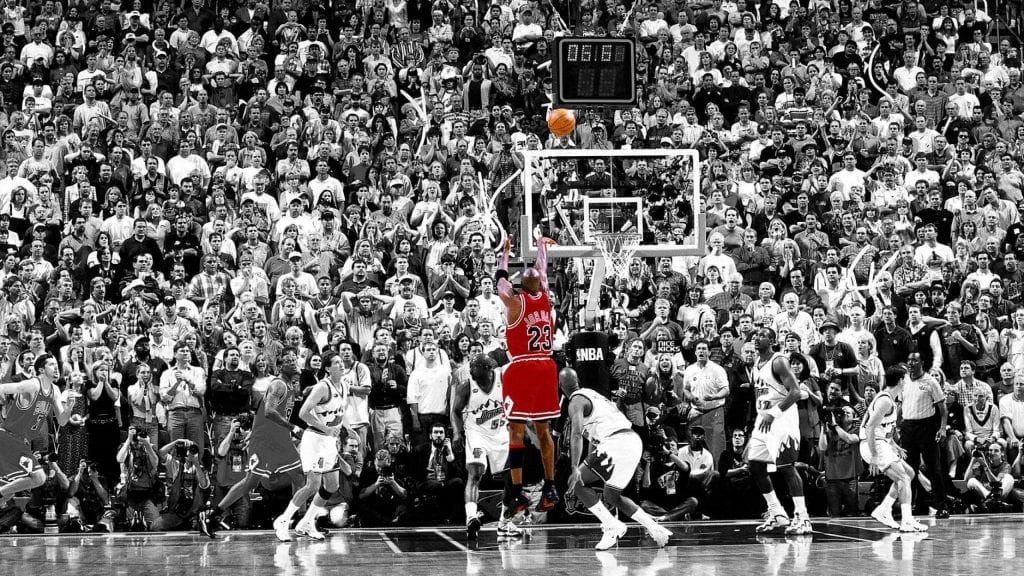
Trading is a peak performance endeavor that is skill based. There is no way around it!

This means you’ll have to learn how to become self-aware when trading gets intense. If you want to make a million dollars trading, you’ll need the 3 mindset skills I’ve listed above when you have 5 or 6 figures on the line.

By becoming more self-aware, you’ll start to build the psychological and mindset skills to become a consistent trader who makes ‘consistent’ trading decisions, regardless of the pressure or challenges you’re experiencing while trading. You’ll be able to direct your cognitive and mental activity in the right direction, while avoiding getting swept up by your emotions, or negative self-talk.

There are many ‘methods’ and practices you can use to build self-awareness. I teach several of these in my traders mindset course. But one method we focus on in our traders mindset course is meditation, which is scientifically proven to help improve your neurological and cognitive performance in a variety of trading activities.

meditation for trading 2ndskiesforex

I’ve been practicing meditation since 2000, done over 10,000 hours of meditation practice. I’ve completed a 1 year meditation retreat. I’ve completed 3 one month retreats, about 150+ weekend meditation retreats, and trained with the same meditation teacher since 2001. Needless to say, it seems fair to say I have a ‘solid’ training in meditation.

I recognized early on how important meditation is to my trading mindset, and thus created a 12 lesson meditation series specifically for traders. The goal of this practice is to build self-awareness, increase your emotional IQ, and help you enhance your brain’s functioning, which meditation has been scientifically proven to do. If you want to learn more about how to use meditation to become a better trader, then check out my traders mindset course.

Now there are many techniques you can use to build a successful trading mindset, but these are three most ‘fundamental‘ I’d highly recommend you focus on. There are other mindset skills you’ll need to complete the first stage of trading (discipline) and get to the fruit (consistency), which could take me an entire book to write and flesh out. But I feel I’ve given you a glimpse of the first stage of trading.

Getting Past the Hardest Stage (*And Not Jumping Ahead)

From my experience in working with thousands of traders, helping many traders become profitable, I’ve seen how every trader which has failed to become a profitable trader has never completed the first stage. They’ve either a) never built the mindset skills to become a ‘consistent’ trader, b) never built the core foundational skills, or c) tried to skip various aspects of both.

From all the students I’ve trained that have become profitable traders, they’ve all completed the first stage without fail. I’ve yet to meet a profitable trader who is able to make money consistently while skipping the first stage. There is no way around it!

Now if you want to learn about the other 3 stages to becoming a million dollar trader, I’m doing a private member webinar this weekend (Dec. 22nd) for all my course members. After the webinar, I’ll be making this webinar available to all my members so they can follow this road map and become consistent traders.

If you want to learn how to become a member, click here.

Now I hope you’ve gotten a tremendous amount of value out of this article, and use it as a guide and road map to your successful and profitable trading.

Please make sure to leave a comment, and share this with any friends or forums you feel will benefit from learning about the stages to becoming a million dollar trader.

Until then, may you see real growth in your trading and mindset.

Do you find yourself repeating the same mistakes in trading over and over again?

Perhaps failing to pull the trigger when you have a perfect setup right in front of you?

Or find yourself afraid to take a new trade for fear of losing?

How about ‘knowing’ what to do, but being unable to do it in real time, yet you can do it perfectly on demo?

The answer to any and all of the challenges above you experience in trading comes down to two things:

  1. How Your Brain is Wired
  2. Your Mindset

The good thing is you can re-wire your brain for success in trading and life. And luckily you can do this in just a few weeks, for only minutes per day.

In this infographic I explain how top wall street traders meditate to improve performance, how different practices produce different results, and how you can improve your brain for trading and life in just a few weeks.

Comment below with your thoughts on this meditation for traders infographic.
Meditation - The Secret Weapon to Becoming a Better Trader

Share this Image On Your Site

Are you wondering whether market makers and institutional players are hunting your stops and shaking you out?

As a former broker on Wall Street (FXCM) and a former hedge fund trader, I share my 20 years trading experience on potential ‘stop hunting’ by market makers.

Read more

What’s inside:
-How can you trade for a living without much capital?
-I want to make 6-7 figures trading professionally, but I don’t have much capital. What options do I have?
-How can I get funded as a trader with a small trading account and little experience?

I recently got a really good question from ‘Bill‘ asking about this important topic. Bill asked the following:

“Here’s the short version: I’ve been working hard. I’m super stoked because I’m on the right side of break even after 9 months and hundreds of trades in demo account. If things keep progressing which I am confident they will how will I make real money with no serious capital to trade and the important question is where do I get it? How do I get it? Who’s capital can I trade? What are the options for a guy like me who can make 50% on his 5000 dollar account if he devotes a lot of his time and effort to watching charts etc? I guess the idea of building capital over many years from crumbs seems quite daunting. Any help and info would be much appreciated……… Thank you, Bill”

I hear ya Bill. These are all very good questions many struggling traders have asked. How can you make a living if you only have $500, or $5000 to start with? You’re certainly not going to pay off a mortgage with a 50% gain on your $500 or $5K acct. So how do you get around this, and why start trading if you only have a small amount to start with?

Before I answer these questions, I need to take one step back and clarify an important part of making money trading for a living.

My model for trading and making a living from your trading starts with a simple model:

Sim, then Demo, then Live

It basically means you start building your skills on a trading simulator. Then you start applying them to a demo acct. Then after stabilizing in sim and demo, you move to live trading with a small amount. The key focus for this last part being on ‘consistency in execution and process‘.

Once you have done that, and have a steady baseline of performance, then you’re ready to start increasing your acct size. This can either be through personal capital, or the capital of other investors.

From what it sounds like for you Bill, you’re at the 2nd stage of this process. Hence before you even get to worrying about making a living off your $5K capital, you need to stabilize in live trading first.

But let’s assume you’re there. Let’s assume you’ve been trading a small account for 6mos – 1 year and are consistent in your execution, process and discipline.

How can you trade a large enough account to make a real living from this? How can you trade professionally for a living by starting with a small account?

There are several components you’ll need to start getting capital which I’m going to list below.

#1 – Get Your Trading Results Verified

For your live account trading, you’ll want to get your trading results verified. I shared my verified profitable trading results here.

For you, there are many ways to verify your performance, such as:

1) Have your accounting firm audit your results and give you a document that is stamped/dated by them, the accountant who performed the audit, and the results of your performance listed on this document.

Not all accountants are trained to do this, so you might want to seek one of the big accounting firms for this (PWC, Deloitte, E&Y, KPMG, etc).

NOTE: Getting an audit can be quite expensive, sometimes up to $50K depending upon how much trading activity you’ve done. If you’re a day trader, expect it to be more expensive since you have more trades that need to be accounted for.

I’d recommended this if you have a) a large account, b) are looking for serious capital ($1MM+), and c) are courting serious/accredited investors.

If that’s not you, then you can use the cheaper (free) and simpler option #2 such as myfxbook or fxblue. Assuming your platform works with those services, you can connect your trading acct to them and they’ll analyze the data and verify it for you.

profitable-traders-2ndskiesforex

This is what most traders with small accounts (under $100K USD) should be considering, and other than your time, it’s free.

#2 After Verifying Your Results, It’s Time to Get Capital

Luckily there are many services and sites that have capital and are looking for traders. In this current investment climate, people are looking for traders with consistent risk management, a risk of ruin at zero, and solid returns.

Here are a few sites/services below that offer various methods to get you capital:

#1) Fundseeder (started by Jack Schwager)
Summary: Jack has great industry connections and a decent platform/services to help you get investors to invest in your trading and track record (which you’ll have to establish first with a live trading account).
You get connected into their system, trade away, and the platform will start to expose your trading to investors that are interested in investing with you.

Image: Jack Schwager (Author: Market Wizards)

#2) Etoro
Summary: A social trading platform that allows traders to trade demo or live, and have their trades copied by other traders. You get a % of the fees for each ‘copier/investor’ that signs up and follows your trading.

Keep in mind, no really good trader would choose this long term, because it means investors with large accounts can invest a very small amount in ‘copying’ your trades, then mirror/copy those same trades in a larger account. So you’re missing a huge portion of the pie by taking this route, but it’s a good place to start.

#3) Join A Funded Trading Program
There are many programs out there that have capital and training resources to help you become a profitable trader. They generally offer a suite of products, platform and training resources, and once you prove yourself to them, they’ll fund you.

In Closing

The most important thing is not to focus on the problem (“I don’t have much capital to start with”), but instead – focus on solutions. This is what a successful mindset does.

You not having a lot of capital to start with isn’t an issue. If you can trade, and you can manage risk, you can get capital. Capital is always looking for places to park and generate a return. There’s more than enough capital out there for you to trade. You just need to find the right outfit, program and investors for you.

I hope I answered your questions ‘Bill’, and to you all as well reading this who’ve wondered what Bill emailed me about.

This is a very important topic, but one that has many options and solutions for traders like yourself looking needing capital to trade for a living.

Any questions? Message me directly via my contact form here.

Until then, all the best and may you find real confidence and progress in your trading.

In the month of October, I had planned to do a big article on price action and ichimoku. However, I had a significant life changing event which took me away for a few weeks.

My dog (Noodle – image below) had what we thought was a ‘stroke‘ of sorts.

The morning of her ‘stroke’, she was running around as usual, happy as can be. But in the middle of the day, I was suddenly called by my girlfriend to look at Noodle. She was having trouble walking, balance was off, and looked like she had a seizure of sorts.

Being that I studied neuroscience, I immediately started looking for signs of neurological damage. What I noticed was her eyes were twitching horizontal to the right (about .5) inches virtually every second with metronome like timing.

The twitching eye condition is called Nystaxis, and it’s symptoms communicate ‘neurological‘ problems.  Needless to say, we took her into the local vet emergency room.

The vet gave us some bad news. Noodle had what is called ‘Old Vestibular Disease‘. The thing is, there’s no way to determine if a dog will ever recover from these conditions. Here we were, at the hard right edge, not of a chart, but life itself and the life of our little furry friend.

We got instructions, but were told to just sit tight for 1-2 weeks and see what would happen. The next day came, and we were hoping for her to be better. But instead of getting better, she got worse.

She couldn’t walk more than 1 meter without falling, couldn’t make right turns (vestibular disease often causes a head tilt like the image below), wasn’t hungry, was dizzy and nautious.

After a few seconds, she just fell in our arms, shaking, looking really scared. We felt like we had hit the end of the line for Noodle-bear.

Then, after a few days, she showed her first sign of improvement. Before, when she’d shake her body like dogs do, she’d fall over and crash. However, this time, she was almost able to hold her balance.

Then she could walk less without me holding her up by the leash.

Then she could almost walk DOWN the stairs by herself, without eating shit.

Then the nystaxis finally went away.

After about a month, Noodle is 90% back to normal. She still has the head tilt thing, and we think her hearing in her right ear is either gone, or almost gone.

But by and large, she’s living her life now as if nothing has really happened.

WHY AM I TALKING ABOUT THIS TO YOU TRADERS???

Minus the first two to three days after her ‘event‘, Noodle kept on truckin’ like nothing happened. It was fascinating to observe her ‘mind‘ through this process.

You could tell she was struggling just to walk up 5 stairs. However, there was no self-referencing about it. In other words, Noodle wasn’t making any meaning about her ‘condition‘ and challenging ‘experience‘.

Self-referencing is something we humans do, where we ‘self-reference‘ what the majority of our experiences ‘mean’ about us (our strengths, weaknesses, inabilities, capacities, are we a good person, a good trader, or a bad person, a bad trader, etc). It’s such an ingrained habit in us, that we ‘self-reference‘ the most meaningless things.

Case in point…what kind of self-talk/thinking did you engage in the last time had a big loss, or made a major mistake while trading?

My guess is 90+% of you ‘self-referenced‘ after you made such an error/blunder/loss. And my guess is the majority of that was negative.

Self-referencing can cause a lot of problems, but watching Noodle go through her process of recovery really showed me a lot about overcoming obstacles, building mental toughness, and how self-referencing really gets in the way of us building a successful mindset.

We’re supposedly the ‘superior beings‘, but dogs got us completely beat on this one.

Noodle is just fully present in the moment, not self-referencing, and not meaning making about any ‘loss‘ she’s experienced. She just relates to things, as they are, without thinking she’s a ‘good’ dog when she wins, or a ‘bad’ dog when she loses.

She has no real mechanism to self-reference, and ironically, by not having this faculty, she doesn’t get in her way, or get down on herself for having her condition.

Noodle has tackled every obstacle from this health scare with 100% effort in the moment. If she falls, she gets back up. If she can’t do something (hearing in her right ear), she adapts (turns her head to the left to hear).

And nowhere in those struggles, process, or overcoming obstacles is Noodle every making this meaning anything (good/bad) about ‘Noodle’. She just does what she can in that moment, and accepts it as is. If she fails one time, she makes another effort.

After watching Noodle over the last month, this little 4-legged dog has given me a powerful life lesson on overcoming obstacles. I’m not sure I’d be as gracious as her had the same happened to me. Shoot, you should see how impatient I get when traffic is going too slow!

I wrote this article because I felt like many of you get too hung up on what you’re current losing streak, drawdown, or struggles in trading mean about you. I think y’all self-reference too much, and it only makes your trading obstacles more problematic, not better.

Noodle taught me that dogs can teach traders a lot about overcoming obstacles. Hopefully you can find some nuggets of wisdom in this pithy post of mine.

I’m back now after this incident and my recent meditation retreat, so expect more regular articles out of me.

In the meantime, I wish you good health, confidence in your mindset and that you become a profitable trader.

If you want to learn real practices and methods for overcoming your trading obstacles, then check out my Advanced Traders Mindset Course where you can learn the mindset needed to succeed in trading (and life as well).

This year will mark my 18th year of trading the forex and financial markets. I’ve learned some incredibly valuable trading lessons I wish I had been taught when I first started out. These are lessons which have cost me probably north of $2-3 million dollars in losses, missed opportunities, and making mistakes which took years to figure out (and unwind).

If you’re a struggling trader who’s making the same mistakes over and over again, take heed of these lessons as they’ll save you years in your trading process, and likely well over 6 figures in unnecessary losses.

Hence if you want the fast track to becoming a successful forex trader, learn everything there is to know about these 18 trading lessons. Do this and you’ll find yourself making more money and having greater trading success than before.

Let’s jump in.

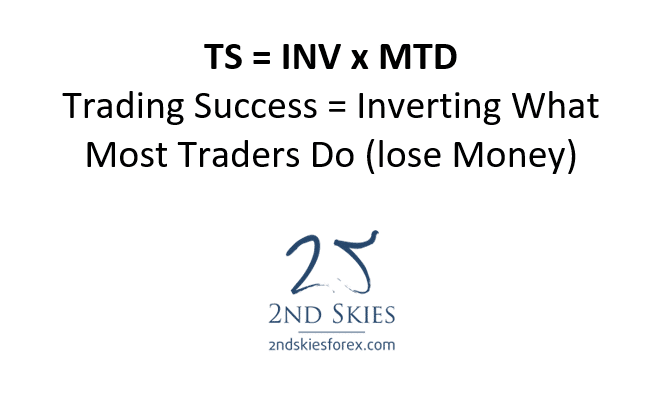
1) Invert the Equations Of What Most Are Doing

I have a general formula which I apply to trading and life. That formula is to invert the equation (or process) of what most people are doing.

The bottom line is most people are not successful at trading. In fact, with almost all things in life, most are not in the top 10% of anything they do (job, profession, sports, martial arts, etc).

If that is true (it is btw :-), then most of them are likely following similar patterns and equations for their job, profession, sport, etc, and its NOT WORKING!

trader formula for success 2ndskiesforex

What’s the most common pattern you see with struggling traders? Most are not following their trading plan. Most don’t have a proper risk management profile. Most are spending their time on the charts and strategy, not their skills.

Hence, whatever the majority of people are doing – you’ll have to invert that process & equation. Follow this formula and my guess is you’ll find out how well it works in trading, and life as well.

2) Good Trading Requires Good Trading Skills

Trading is a skill based endeavor. There is no way around it. If you want to make money trading, you’ll have to build the skills necessary to do that month in, month out.

Most traders spend between 75-90% of their time looking for ‘the’ strategy, focusing on the charts, focusing on the next trade and how their going to make money. And most are losing money!


Look, it’s quite simple. If you want to play like Mozart, do you start off with the focus of playing like Mozart, or do you focus first on learning the keys, building coordination your fingers, learn to read sheet music, learn how to play chords?

The answer is obvious. You focus on the latter. Those are the core skills of playing piano. Do that, and in no time, you’ll be playing Mozart. Trading is no different.

3) Sim, Then Demo, Then Live

I have a framework for how you should build your trading skills to make money trading. The process is simple.

First, you practice on a trading simulator, focusing on the core skills of price action context. Second, you practice synthesizing those skills on sim, and then start practicing on a free demo account, first finding potential trading opportunities, then trading them on demo. Third, after you’ve built some consistency there, it’s time to go live (starting with a small amount first, then building your acct as you progress).

The formula is simple: Sim, then Demo, then Live.

Do that and you’ll shorten your learning process.

4) Treat Demo Trading Just Like Live Trading

Ever thought to yourself “I can’t get excited about trading demo as there’s no money on the line“? Anytime a struggling trader tells me that, I know that they (right now) don’t have the mindset to make money trading.

Think demo trading is something not to be treated seriously? Think practice is over-rated?

Watch the following video of Michael Jordan on practice and how he related to it. See how intense he is about practice. See how seriously he’s taking it, then compare that to how you’re relating to practice.

As Michael said, “Every day in practice was like a competition to me. So when the game comes, there’s nothing I haven’t practiced before. It’s like a routine. I never feared about my skills because I put in the work. Work ethic eliminates fear.

After watching this video, tell me if you can still justify treating demo as ‘not-important‘. My guess is after watching this video, you can’t.

5) In The Beginning, Use Bigger Stop Losses, Then Decrease Them Over Time

75% of my students who do a ‘Trading Analytics‘ session with me (where I use 20+ metrics to analyze their performance and help them reduce their leaks while increasing profits), have one thing in common. Their stops are too tight.

In the beginning, your goal should be accuracy and consistency. Tight stops in the beginning requires precision. Do you really think you have precision in your trading skills right now? If the answer is no, try widening your stops a bit and see if your accuracy increases. If it does, you’re on the right track, like my student below.

trading analytics 2ndskiesforex

However you cannot always have bigger stops as it will decrease your profitability over time. You’ll be leaving money on the table. So focus on consistency first, then precision later.

6) Preparation is Highly Underrated By Most Struggling Traders

How much do you prepare (mentally) for your trading day? 10 mins? 15 mins? I’m willing to bet 75% of the traders struggling out there spend 15 mins or less preparing for their trading day. Are you one of them?

What’s the most important tools for a Football player? His body and his mind. What’s the most important tool for you as a trader? Your mind (for the most part).

Hence you need that tool (your mind) to be sharp and prepared for your trading day. Treat preparing for your trading day like a professional athlete, then see if your performance (and mindset) increases.

trading preparation 2ndskiesforex

7) Whatever You Don’t Measure, You Won’t Improve On

How many metrics of your trading performance are you measuring right now consistently? My guess is 90+% of you struggling traders out there measure 3 things at most:

#1 – % accuracy for your trading
#2 – account balance at the end of the week/month/year
#3 – how much your account is negative from your original starting balance (or how much you need to get back to break even)

Does this sound accurate?

How many metrics do I measure about my trading performance? About 20, and I can measure them so quickly, it takes me < 15 mins to measure.

Bottom line is, whatever metrics regarding your trading performance you are not aware of, you cannot fix. You have to be aware of your trading mistakes before you can fix them.
But even then, if you don’t take the next step (measuring them), you won’t know what your baseline is, and how you can improve.

And if you don’t know what your baseline is, and what you need to improve on, how do you plan on getting better?

8) Consistency Comes From The Mind

I’m close, but can’t seem to break through. All I’m really needing is a consistent trading strategy and trading plan.” Ever thought that to yourself?

Where do all your trading decisions come from? They come from your mind.

How many times have you written out a trading plan, and not followed it? How many times have you not followed your trading strategy? How many times have you not pulled the trigger when your trading setup comes?

Consistency in trading doesn’t come from the strategy or your trading plan. You won’t experience consistency in your trading till you have consistency in your mind.

Hence if you want to experience more ‘consistency‘ in your trading, you’ll have to wire consistency in your mind.

9) Information Does Not = A Good Trader

How many trading books have you read? How many trading videos have you watched? Probably a lot, yes? Yet you’re still struggling to make money trading. Why is that?

If watching videos, reading books (i.e. taking in information) made good traders, you’d likely be there by now. But you’re not. And that reason is simple.

Information does not = successful habits.

Trading is a skill based endeavor. I’ll take the trader who’s read only one trading book, and watched one trading video, but has practiced the core skills of price action context vs. the trader who’s read 100’s of books, watched 100’s of videos, but doesn’t practice their trading skills.


10) Successful Trading Requires A Successful Mindset

To make money trading, you’re going to have to build a successful mindset. This is a mindset which focuses on getting better every single day, regardless if they made money that day or not. This is a mindset which embraces the challenges trading provides.

There is a mindset you’ll need to make money trading. While that mindset is not fixed, there are certain habits and patterns of thinking you’ll need to make money trading. You’ll see these patterns in the best traders of our time.

Hence if you want to make money trading, you’ll need to build the mindset to get you there, and keep you there.

growth mindset vs fixed mindset 2ndskiesforex

11) Trading Can Be A Lonely Venture. Join A Trading Community!

Ever feel lonely in your trading quest? NEWS FLASH: You’re not the only one who feels this. Most traders do.

Anytime I visit traders and students in other cities, they all tell me how relieved they are to realize they’re not the only one having these experiences. There is no university degree in trading. Very few people will ever work at institutions with other traders. Plan on not being that person.

Once you realize this, and that you’re not alone, you also realize how beneficial it is to join a trading community.

I feel really proud on the trading community we have at 2ndSkiesForex as they’re all open, friendly, and really helpful towards others, especially the senior students. We’re all here for the same goal, and we realize how important it is to communicate and interact with others on this journey.

trading community 2ndskiesforex

Why should you try to tackle such a challenging profession as trading alone? Why not join an active trading community that supports your growth as a trader, where you can see others succeeding?

12) Focus on the How vs Focusing on the When

One of the most important mindset shifts you can make in trading is spending more time focusing on the ‘How‘ vs. the ‘When‘. I can always tell where a traders mindset is when they ask the question “how long will it take for me to make money trading?

Would you ever walk into a martial arts studio and ask “how long before I can beat up a black belt?” Would you ever walk into a piano school and ask “how long before I can play Mozart really well?” No, of course not. Not only is there no fixed answer for this, you’re focused on the wrong variable.

The reason why this is such an important mindset shift, is it gets you actively focusing on and directing your energy to the ‘how‘ and ‘what‘ that will get you from point A to B.

The ‘when‘ won’t get you from point A to B. But the ‘how‘ will.

13) Risk Management is the Most Underestimated Skill in Trading

90% of all struggling students who start my trading course have one variable in common. They don’t take risk management seriously and have inconsistent risk on each trade.

Now ask yourself, “How good are you at predicting whether your next trade will win or not?

Most likely, you’re not that good. If you were, you wouldn’t be taking so many losing trades that you ‘knew’ were going to lose now, would you?

There are 2 key points here:

1) you’re likely not that good at predicting your winners and losers (less winners)
2) trading is a game of probabilities and your trading distribution will be mostly random

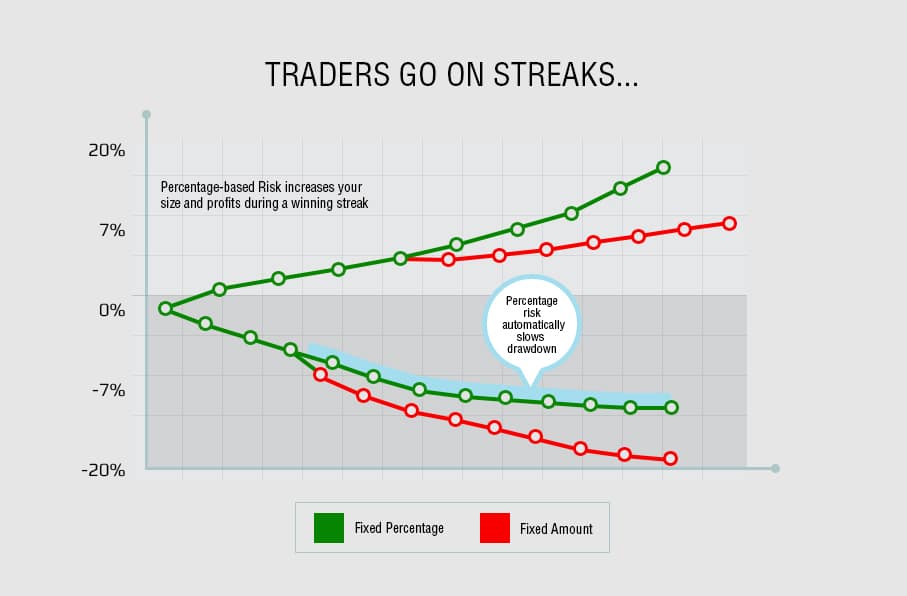
Hence risk a fixed % per trade so each loss is always the same % of your account.

fixed-percent-equity-risk-model-superior-than-fixed-dollar-amount-graph-1-2ndskiesforex

14) There Is A Difference Between Planting Seeds & Watering Seeds

In April this year, my father passed away. I left within a day of hearing upon the news to spend time with my family and say my goodbyes to my dad.

The day I got back home, I realized how much we all were in the same vision, or spirit regarding our family. I realized this was a ‘window’ for us to make real changes, just like all big moments in one’s life are.

I talked with my family about how this moment was a window, and a great opportunity for us to plant new seeds for our family. But planting seeds is not enough if you want them to fully grow. You have to water them, provide sunlight, and give them proper soil. Do that, and the seeds (which are pure potential) will grow and manifest that potential.

So ask yourself, are you just planting seeds (watching videos, reading books, but not making any real changes)? Or are you actually watering those seeds, taking real actions, working hard every day to get better?

Which trader do you want to be?

15) If You’re Continually Making the Same Mistakes, Seek Training From A Forex Mentor

I could not imagine trying to learn more about becoming a Buddhist and do the meditation practices without a mentor or teacher. I actually did try (back in college) and for the most part, failed.

The same went for my trading. I knew at some point I needed training. I needed someone to provide feedback to me and help me see what I wasn’t seeing. This is something every professional athlete has (a coach or mentor). Why do you think trading would be any different?

If you’re continually making the same mistakes over and over again, you’ll need a mindset and path outside your current one. If your current path, skills and mindset was working, you wouldn’t be repeating the same mistakes over and over again now, would you?

Hence, if the above description sounds like you, get training from a forex mentor (or trading mentor), one that is a verified profitable trader.

chris capre forex mentor 2ndskiesforex

If they cannot (at a minimum) provide one year of verified profitable trading results, then most likely they aren’t a good trader, and most likely aren’t a good trading mentor.

16) To Make Money Long Term, You’ll Have to Get Comfortable With Uncertainty

How do most people make their money? Via a job, yes? A job which pays you a fixed salary on fixed dates. A job which requires you to work fixed hours, wear fixed clothes, and has a lot of fixed rules.

What’s the common denominator there? Everything (by and large) is ‘fixed’ or ‘solid’. You can rely upon that, which has its benefits.

Trading by default completely up-ends that process. The markets aren’t fixed, but ‘fluid‘, constantly changing. Bull trends one day become ranges, pullbacks, or bear trends the next day. You can make $25,000 one month, and lose $2K the next.

What’s the common denominator here? Most things are notsolid‘ or fixed in the markets. And that will totally mess with your brain, and sense of security.

Bottom line is, you’re going to have to get comfortable with ‘uncertainty’ when it comes to trading.

However by becoming a successful profitable trader, you can put the ball back in your court. And that + financial freedom will most likely eliminate about 75% of the every day stresses you experience in your life.

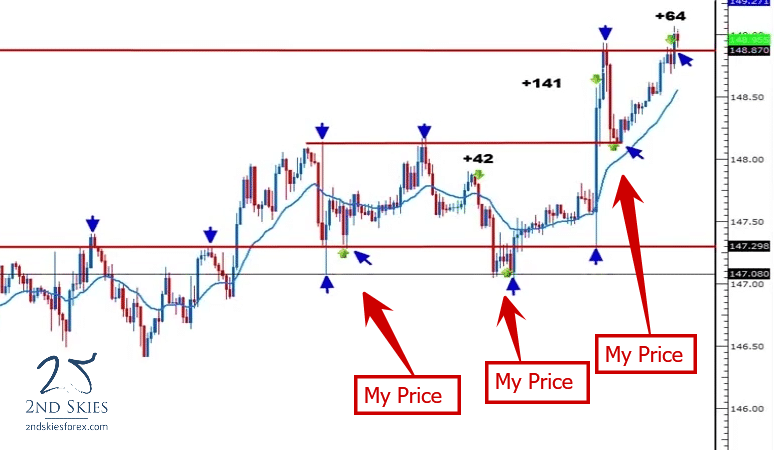
17) Always Wait For Your Price…95% of the time 🙂

If there is a trading lesson I’ve had to learn 100’s of times over, it’s this one. I cannot tell you how many times I got to the charts, noticed a trade setup just happened, and now its moving away from my entry, exactly as I had planned.

Of all the times I chased the trade and price, about 95% of the time, it came back to my price.

This is such an important lesson for 2 main reasons:

1) if the trade does come back to your price, and wins, won’t you be making more money that way? won’t you be losing money if you get in for a worse entry, and it goes against you?
2) what do you think being disciplined, and waiting for your price does to your self-image and trading mindset?

Which one of the above scenarios do you think wins? And more importantly, which one do you want to win with?

18) Your Brain Has The Tools To Make Money Trading, But You’ll Need to Re-wire It

I’m very serious about learning how the brain and mind works. Of the 50+ books I read every year, about 45+ are on the brain, mindset and meditation.

I’ve been studying neuroscience for over 20 yrs since my university days. I’ve spent the last 18 yrs meditating every day, completing a 1 yr meditation retreat and various practice progressions along the way.

There is one thing I’ve learned through all those years. That the brain, and how its wired, has the tools to help you make money trading. It also has the biases to cause you to lose a lot of money trading. Most likely you’ve already experienced this.

Now I’m guessing you’ve heard about cognitive biases? These are mental and neurological structures in your brain + mindset which cause you to make really bad decisions. A few examples:

1) The negativity bias
2) Confirmation bias
3) Fear of Missing Out
etc…

There are dozens of biases you have which will make it really difficult (if not impossible) to make money trading. Luckily, your brain also has a key feature (like hardware in your computer), that allows you to re-wire your brain to make money trading.

This feature is called Neuroplasticity. It’s how your brain can actually change its cellular and neurological structures to form new habits (i.e. habits that will help you make money trading).

What this means is, you have the ability to re-wire your brain to think and take actions like a successful trader.

The key is, you’ll have to re-wire your brain to do this, and that takes methods, applications and work.

You’ll need real practices, methods and training based upon neuroscience, cognitive psychology and a deep understanding of your brain + mind to make these changes.

Luckily this is a real thing, and my profitable students have proven this.

Hence if you want to start making money trading, you’ll have to re-wire your brain to do this consistently. And that only comes with training, practice and hard work.

Now Your Turn

What did you think of my 18 trading lessons? Did you find something valuable here and learn something new? I take my trading, and my mentoring very seriously, so please make sure to share and comment as I want to hear your feedback on this.

As promised, I have a 30 day challenge update for the first week.
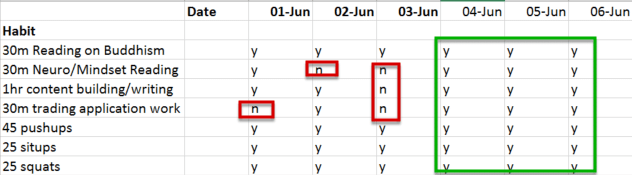
Below is the table of the habits and dates up till June 6th (as I’m still completing today’s work).
30 day challenge week 1 2ndskiesforex
So what you are seeing above is an excel sheet I keep open all day every day to track my progress. The results are below:
Day 1 (Jun 1) = 6/7 habits completed
Day 2 = 6/7 habits completed
Day 3 = 4/7 completed (no bueno)
Days 4 = 7/7 habits completed per day
Day 5 = 7/7 habits completed per day
Day 6 = 7/7 habits completed per day

My sentiments on the first week?

I feel the first two days were an adjustment of integrating such a large group of new habits into my day. The 3rd day started off bad and I have no excuses for not doing them. I take full responsibility for this low performance day.
So what happens after I make a mistake or have a bad day? I rally! 
I’ve learned a far more effective response to failure is to use the frustration, pain, disappointment, etc. and leverage that emotion and feeling into performing better.
Instead of beating myself up and shrinking my self-image through negative self-talk, I’ve learned it’s far better to use the pain of what I’m feeling as motivation to work harder and do better the next time.
NOTEIt took me personally a long time to come to this place of rallying after mistakes instead beating myself up or engaging in negative self-talk. I learned this not when things were easy, but when they were most challenging and finding a new way to relate to these situations.
For you, perhaps the next time you feel down about your trading, challenged or frustrated with your results, try rallying your forces and see how you feel + perform. My guess is the results will surprise you.
habit quote aristotle successful mindset 2ndskiesforex

What Did I Learn From Week 1?

1) doing the physical exercise feels great and I can feel my muscles getting stronger each time. My fatigue comes later in the series than before and my body is almost craving the feeling of doing these exercises.
2) It’s best to do the physical exercises first thing in the morning as it energizes me for the day. That + the fact I’m less interested in exercising after a long day where I feel drained. So perhaps a useful tip there for you.
3) I’ve missed 2 days of out 6 on the trading application work. Part of this is I didn’t plan out my work ahead of time, set clear goals of what I wanted to accomplish and create a plan of action for them. I did this on Jun 4th and it’s focused my sub-conscious and conscious mind to prioritize this work more effectively since.
4) I do better with the content building work before the afternoon (morning/mid-day) as my creative energy is still strong then. Evenings I seem to have less creativity so best to knock this one off early.
5) Working on form is always easier than working on the ethereal. What do I mean by this?
As I’m doing the pushups, situps, and squats, because I’m working on my muscles and body (form), it’s easy for me to see the results quick and feel them in my body fast. Contrast this to working on my trading application or my content building and I won’t likely see the rewards till later.
I think this is a major reason why trading is hard because it’s not based on the body or form where we can see steady results building right in front of our eyes. It takes more work and sometimes you lift the weights and do the hard work in trading, but don’t get the result.
And that experience can/will tug at your mind because trading doesn’t work the same way you normally experience results and progress in most of your life. If I had to guess, you’ve experienced this to some degree in your trading process.
This is why you need mental toughness for trading. This is why you need a successful mindset.
That is all for now. I hope you enjoyed this update and look forward to your comments on how your 30 day challenge is going.

trading habits challenge 2ndskiesforex

We are on the heels of June and I’ve decided to take on a new challenge.

For the entire month of June (30 days), I’ll be taking on not 1, not 2, but 7 new habits.

I definitely like a challenge, and for me – a successful mindset requires successful habits.

Hence I decided to announce this challenge openly to you and others, sharing all the details along the way.

But before I get into the nitty-gritty details, I need to talk about habits and why they are key to your brain & success.

key to profitable trading habits 2ndskiesforex

Why Habits Are Key To Your Success

For you to make money trading and achieve your goals, you’ll have to wire in successful habits.

But you currently have a problem. Your brain will do what it is wired to do most of the time (think 90+% on avg).

And your brain is not programmed to make money trading. So you’ll need to un/re-wire your current programming while creating a successful trading mindset.
Now how your brain is wired (wiring = habits) can be explained by one principle – neuroplasticity.

What Is Neuroplastcity?

Neuroplasticity is your brain’s ability to wire and make new connections. Its also the reason why you can unwire connections and bad habits.

There are two key terms for understanding neuroplasticity. They are:

1) SDN = self directed neuroplasticity

and

2) EDN= experience dependent neuroplasticity

To help you understand the above, just memorize the following statements:

1) Neurons that fire together wire together

and

2) Passing mental states = lasting neural traits

Now one thing that is implicit in the first statement is the following:

Neurons that fire apart wire apart

You’ve probably heard something similar in pop culture, such as the ‘use it or lose it‘ phrase. This statement is completely valid regarding your brain.

Habits are what you create by repetitive actions over a consistent period of time. Creating successful habits requires mental toughness because you’re fighting against your brain’s conditioning.

Once you’ve created a habit, your cognitive bandwidth is now available for other important activities.

Think of what your trading would be like if every time you spot a great trade setup – you pull the trigger without worrying about a loss. How would that help your performance on a day to day basis?

Hence your direct path to successful trading is to build successful trading habits.

habit quote aristotle successful mindset 2ndskiesforex

NOTE: If you want to learn my personal methods for wiring successful habits into your brain fast – check out my Advanced Traders Mindset Course.

Front End Work For Long Term Benefits

Building successful habits requires most of the work to be done on the front end. What do I mean by front end?

To wire in a new habit, you have to physically (and chemically) create a new series of connections. This takes (at a minimum) consistent repetition over time.

How long? For the expert at this – about 21 days is the fastest you can do this. 30 days would be more reasonable.

What if you are not working 4-8 hours per day trading at least 5 days per week?

You’ll need about 90-180 days.

From my experience as a trading mentor who’s turned many traders profitable, this is one of the biggest reasons why many never succeed. The habit wiring curve takes just a tad longer than most are willing to do consistently over time.

Do you change your pair, price action strategy or time frames if you don’t get the results you want in a few weeks or a couple of months? Do you just jump from mentor to mentor and course to course as you continue to struggle?

If so, then you have a problem because you’re changing critical behaviors before you’ve fully wired in the habit.

Hence you never get the benefits of wiring successful habits into your brain. And then you eventually wonder why you cannot trade consistently.

Sound familiar?

Thus most of the work in building successful habits for you will come in the front end. The good thing is once you’ve wired them in, the rewards (and potential upside) are unlimited.

That sounds like a pretty good trade to me now doesn’t it?

Why Delayed Gratification Is Key

In your journey to create new habits, you’ll be fighting against a primal instinct. This is via instant gratification and one reason why our brains work against us in trading.

The key is to flip the script and opt for delayed gratification. The problem for you is – in a time of instant gratification, most of what you are exposed to works against this.

The Marshmallow Test & Why Delayed Gratification Matters


So you have to go against the grains of every day society and culture.

The bottom line is – if you want ot succeed in trading or life, you’ll need to seek out delayed gratification. This will direct your mindset towards building successful habits over time.

As you begin to add positive habits into your life, you’l build up your self-image along the way.

Having a positive self-image will increase your confidence. Eventually you’ll start to think and believe it is ‘like you’ to succeed.

You’ll believe it is ‘like you’ to accomplish what you set out to do. This is one of the most important things you can build for your mindset.
“The habits you wire in today will become the vehicle for your success tomorrow.”

In the spirit of wanting to build my self-image, habits and mindset, I’m taking on these 7 habits for the month of June.

challenging your mindset 2ndskiesforex

The 30 Day Mindset Challenge: Will You Succeed?

For the next 30 days (without breaks), I’ll be adding the following habits to my daily routine.

Here they 7 new habits below:

1)    1hr of writing/producing new trading content per day

2)    45 pushups

3)    25 situps

4)    25 squats

5)    30 mins reading a book or article about buddhism

6)    30 minutes reading a book or article on neuroscience and/or mindset

7)    30 mins – 1hr work on the new trading applications I’m creating (will announce at a later date)

Looking at the list above, that is a lot of new habits to take on. We’re talking about adding 3-3.5hrs of work to my day every day for the next 30 days.

Normally I do not recommend taking on such a big load of new habits or hours to your daily schedule. However I have confidence in my ability to manage my time and get this done.

Will you take on this 30 day mindset challenge?

If so, I’d recommend starting with 1 habit to begin with.

Start small and work your way up. There is no point setting yourself up for failure, so work on something you can achieve. Just make it stretch your comfort zone a bit.

NOTE: For a great article about the comfort zone and how it determines your success in trading, click here.

comfort zone - challenging your mindset to succeed 2ndskiesforex


BTW – if some of you are thinking ‘only 25 situps per day?’, my apologies as a) I’m getting older and b) I’ve spent far too much time in the seat lately 😮

All kidding aside (partially kidding…), what new habit will you challenge yourself for the next 30 days?

Write it below along with why you want to work on this.

IMPORTANT: Make sure to work on a habit that you can control the execution of.

For example – you cannot control the market and profits. Hence creating a habit like ‘I’m going to make $5000 per day trading’ will fail because it’s based on something you cannot control (markets).

This is why you only work on habits that you can control.

Now make sure to share below what one habit you’ll be working on for the next 30 days. Be specific along with sharing what it will mean to you to build this new habit.

I’ll be posting updates on this once per week every Tuesday at 930am so make sure to check back regularly.

I’m looking forward to hearing from you. And I’m willing to bet you’ll feel like a more confident version of yourself for completing such a challenge.

Until then – good health and trading to you.

This clip talks about the Marshmallow Experiment, and how the findings from that experiment are relevant to developing a successful trading mindset.
successful traders 2ndskiesforex

Without a doubt, this was a successful year at 2ndSkiesForex. As a team – our staff grew, we got smarter and accomplished many goals.

While this type of success is ‘satiating’, what really floated my boat was the students and traders. Many this year after hard work and lots of practice + training broke through.

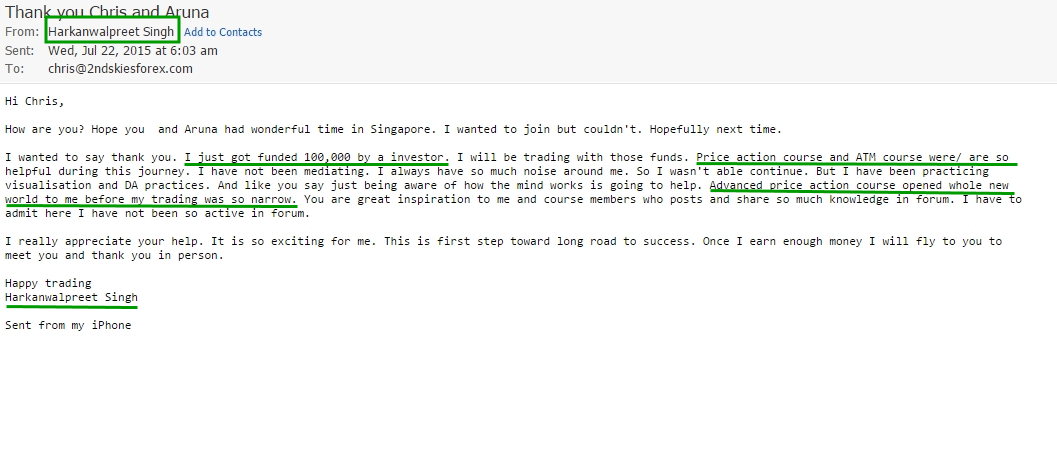
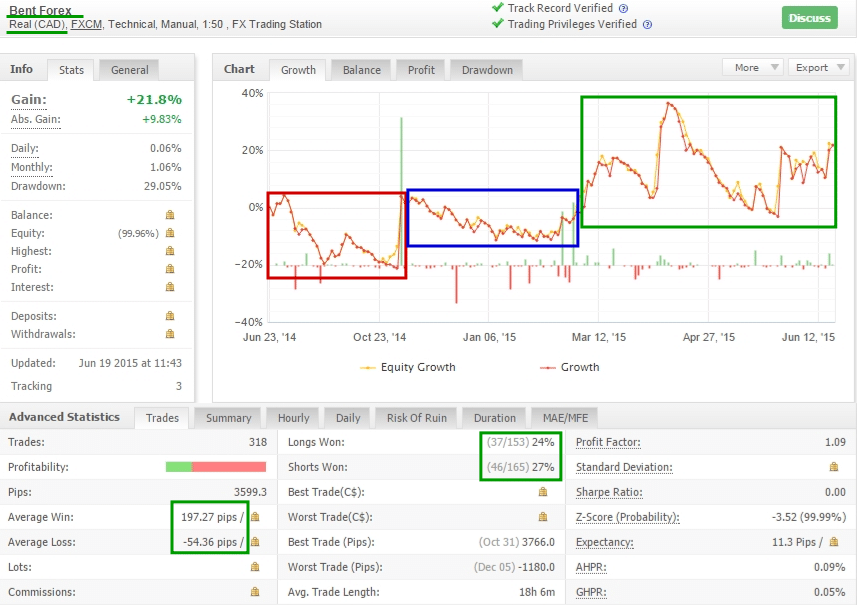
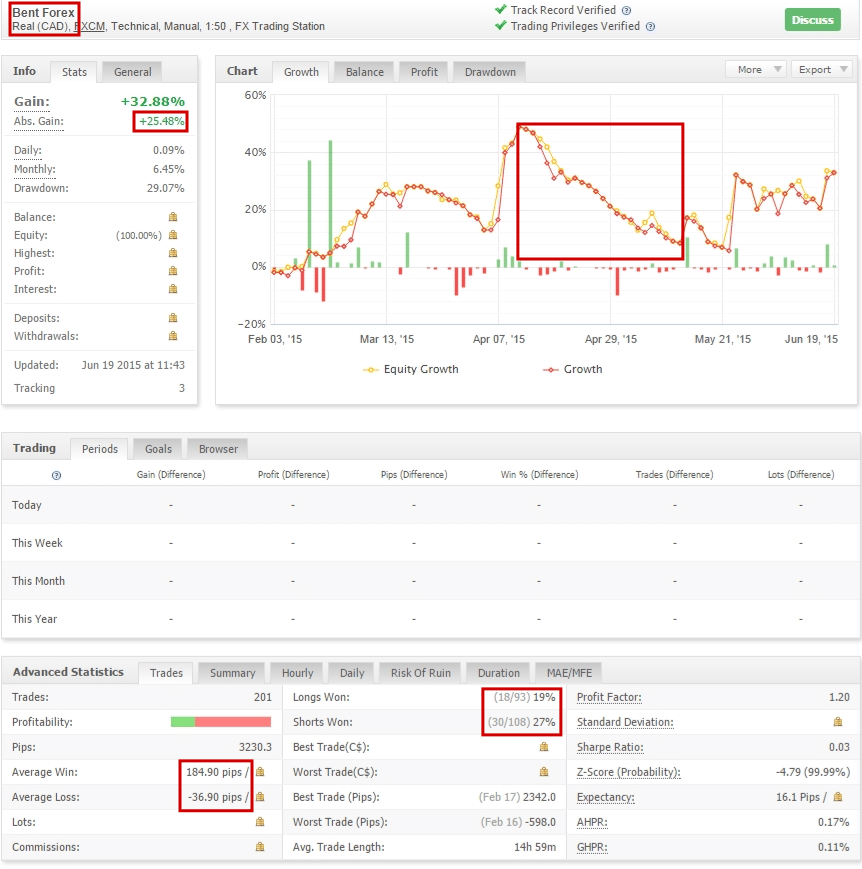
One student got funded $100,000. Another finally broke through to profitability after blowing up several accounts. And one student did +25% over a 6 month period.

There are many more successful trader stories like this at 2ndSkiesForex. While I’d like to share all our forex success stories, we’ll share a few to start the year on a good note and hopefully inspire you.

Getting Funded $100K after 8 Months

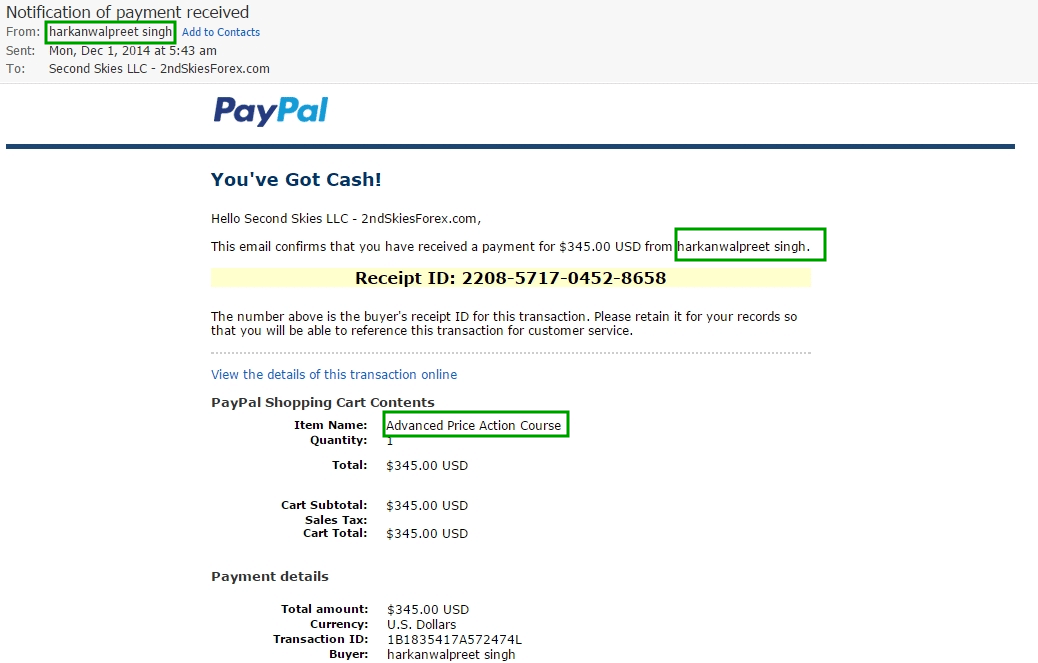
Harkanwalpreet Singh joined 2ndskiesforex in December 2014. You can see his payment receipt + account with us below.

harkanwalpreet singh orders price action course 2ndskiesforex

He is a member of our Price Action Course & in February joined our Advanced Traders Mindset Course.

After 2 months of training diligently, he funded an account for $10K with the AxiTrader Select program.

5 months later he got funded $100K by the AxiTrader program. You can read the article about him getting funded here.

Note how they state he ‘performed consistently during volatile markets and complex trading environments

Below is his email to me about getting funded (click image to enlarge).

harkanwalpreet singh getting funded 100k 2ndskiesforex

Mr. Singh is not a common forex trading success story by getting funded within 8 months. Normally it takes 1-2 years of hard work before you see this kind of result.

Instead of just learning price action strategies and trading techniques, he worked on his trading mindset.
Many struggling traders fall into the trap of just working on one skill – learning price action and making trades.

He realized how important a successful mindset is and did our core mindset techniques for months.

The result is consistent performance, handling volatility, and getting funded $100K.

What I think is unique about Harkanwalpreet is his maturity. Not long after getting funded, some personal family issues came up. He decided to suspend trading till the situation would pass realizing how is mindset was affected.

Instead of just hammering on, he knew when to take a break and not trade. This shows awareness, discipline and maturity.

If he asks, I’ll be there at every step of the way, and may even fund him myself if he continues to perform.

To me his forex story is a great marker of success and I’ll look forward to watching him grow.

Gaining +25% in 6 Months

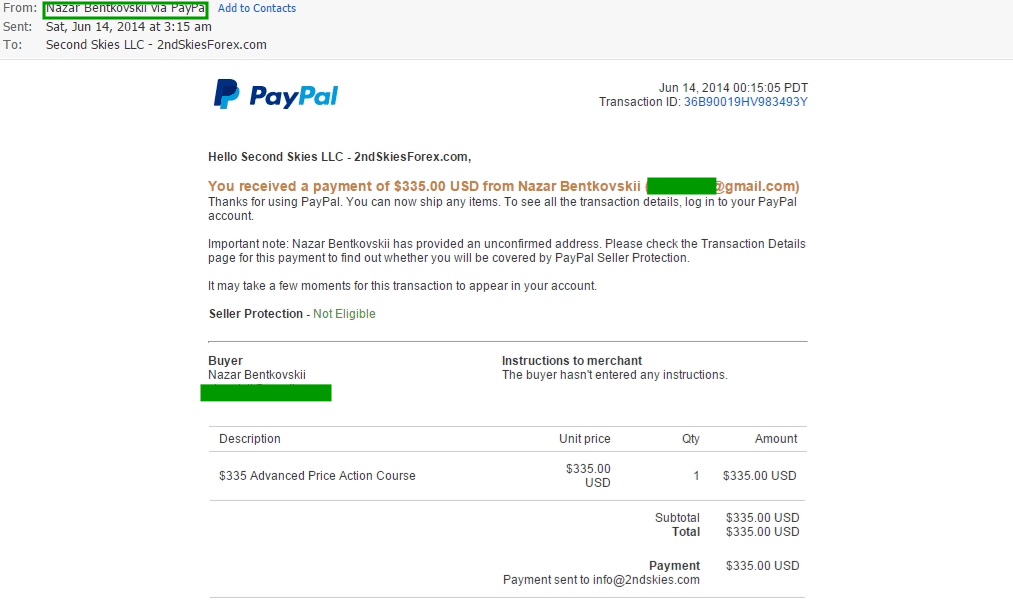
Nazar Bent is from Canada and joined 2ndSkiesForex back in the summer of 2014. You can see his receipt of our price action course from June that year below.

nazar bent price action course 2ndskiesforex

As a student unhappy with his college studies, Nazar knew from the moment he started trading this is what he wanted to do full time.

Below is his myfxbook account since he started with us.

nazar bent myfxbook acct full 2ndskiesforex

To summarize:

1) in the beginning, he struggled like most traders (red box), but he kept working at it

2) after finding a groove, he started to stabilize (blue box)

3) since February 2015, he’s gained +25% over 6 months (green box)

Below is a zoomed in screenshot from his Feb. trading on.

nazar bent consistent profitable trading 2ndskiesforex

Notice the red box in the middle? This is what happened when trying a new strategy. After giving that up, his gains returned and trading stabilized.

What should be noted is his accuracy + risk to reward numbers. He’s only averaging about 23% for his accuracy, yet is still making money.

Why? Because he’s crushing his +R per trade with his avg. win 184 pips and avg. loss 36.9 pips. This goes to show you don’t need large stops when trading price action.

And his average trade length is < 1 day also demonstrating you don’t need to hold trades for weeks to make good money.

I’ll talk more about accuracy later, but below is his review of us on forexpeacearmy (click image to enlarge).

nazar bent 2ndskiesforex review forexpeacearmy

Notice how he mentions his trading changed when joining us. Also key is how he zero’s in on building a proper mindset and trading psychology.

I feel this is something we excel in with our heavy focus on building a successful mindset and unique approach.

Nazar is one of most dedicated students to becoming a professional trader.  I’ve told him if he keeps it up, I’ll fund him personally.

What is interesting to note is his performance when he opened up a new account for me to monitor. His trading has been mostly flat (see below).

nazar bent 2nd account 2ndskiesforex

He’s openly admitted the psychological pressure of trading for me has affected him. This shows honesty and self-awareness which I appreciate in his candor.

My guess is he’ll break through come 2016 and get back to his typical winning ways.

From Blowing Up Several Accounts to +23% in 4 Months

Shahab might just be the most interesting student & character I have. Before coming to trading, he sold expensive cars to high profile clients around the world.

We’re talking Ferrari’s, Lambo’s, you name it. He’s used to dealing with decent sized numbers of $250K+.
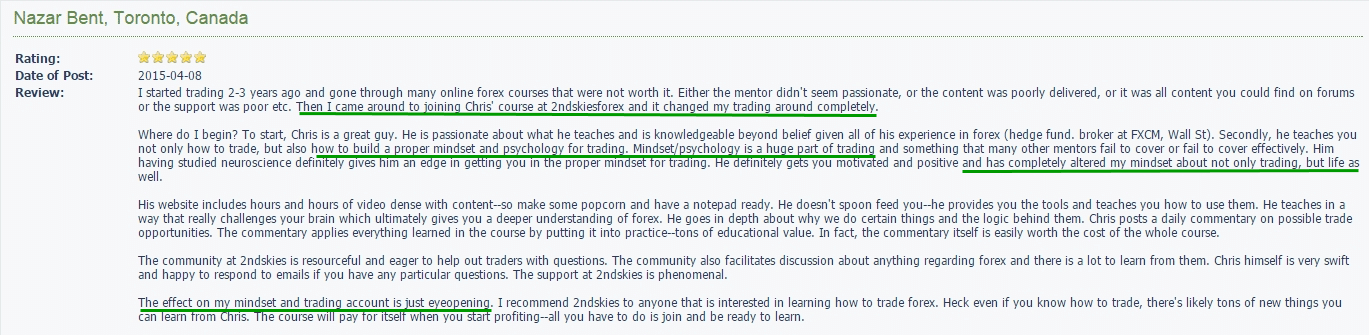
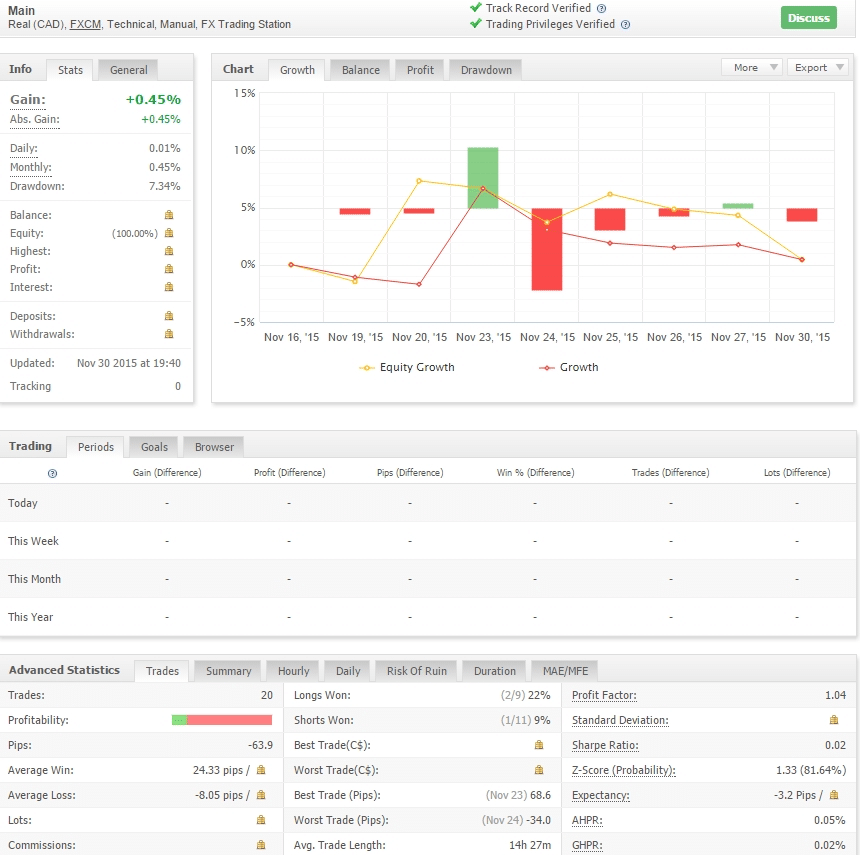
He’s also a risk taker, meaning he’s completely comfortable taking massive risks. This definitely translated into his trading as his swings were massive when he first came to me.

He wasn’t taking trading or training seriously and within 1.5 years blew up several accounts. Trust me – he deserved every dollar he lost during this time and he knows it.

Then he contacted me about really digging in. So in the summer of 2015, we started doing 1-1 mentoring (which is not cheap at $10K per month).

He also lives in Canada and we often go out for tea or lunch, talking trading, mindset and success.

Shortly after, he found a groove trading some of our advanced price action models + his own system.

Here is his myfxbook account below.

shahab503 myfxbook acct 2ndskiesforex

Shahab503‘ is the name of his myfxbook profile. It’s also the name of his account with us below:

shahab account 2ndskiesforex

Now, there are several things that should stand out here from his myfxbook account above:

  1. he’s day trading (done thousands of trades) & continues to have massive swings
  2. he still shows the tendency to go over risk parameters and isn’t as conservative as I’d like him to be. This is an improvement in the right direction from where he was though!
  3. he’s got a lot of open risk (yellow line) which is way outside my normal risk parameters. Again, the key issue of risk and money management keep coming up so this is something he needs to work on
  4. his risk of ruin is just below 1% meaning there is a small chance he can blow up his account at this rate
  5. accuracy is still under 45%, but his avg win vs. loss is balanced enough at +1.3 and he has a positive profit factor over +1

Hence I consider Shahab to be a work in progress. Considering he was blowing up accounts faster than you could drink a pint of cold beer, I’d consider his progression a success.

Do I think he’s in the clear? No, absolutely not as he still has unhealthy habits around risk. But what I’m focused on is his progression instead of just a static number.

He’s not just where he is now, but what he’s becoming. His trajectory is in the right direction and his trend is upward.

How he performs from here is up to him and how much he wants to engage his level of discomfort and discipline. But from where he was, I’m proud of his progress and have positive hopes for him.

A Common Thread

If you noticed, there are several common thread across these success stories. They are;

  1. They all had rough beginnings and losses (like most of you)
  2. They stuck through the hard times and showed mental toughness in trading. This eventually led to a change & breakout in their performance
  3. Accuracy – they all had accuracy levels below 50%.

This last point I want to touch on briefly as it’s a heavily misunderstood subject.

Beginning traders think you need a highly accurate system to make money, but this simply isn’t the truth. There are a million ways to make money with varying levels of accuracy.

Generally the lower the accuracy, the higher the durability of a system as it doesn’t need to consistently win to make money. And let’s be clear, you are going to have losing periods (perhaps months) where you aren’t making any money.

If you system is dependent upon high accuracy, during this losing period you’ll likely experience a massive drawdown. These large drawdowns are psychologically harder to overcome.

Most professionals are between 35-50% accurate throughout all their trades over a year.

My accuracy for 2015 was about 46% but my +R per trade was above 2, so this shows a positive expectancy with proper control of risk.

What Level of Accuracy Should You Expect As A Beginner?

As a beginning trader, you should expect your accuracy to be between 30-50% while learning the ropes (perhaps lower). This is because you are still building your skill set and not trading sub-consciously, so performance will be affected.

Think of it like learning how to shoot a bow and how seldom you’ll hit the center. Yet with practice + training, you can start to get 9 and 10 points more often.

archery hitting target 2ndskiesforex

Hence do not be discouraged if your accuracy is low. Accuracy is not static and fluctuates on a weekly, monthly and yearly basis.

There are days when I’m highly active intra-day and can lose my first 5-7+ trades before hitting my first winner.

Akin to trading, professional poker players can play 40,000 hands before making new equity highs.

What this tells you is drawdowns, losing periods and corrections are natural. The difference is most people do not endure these times and give up or change their strategy.

What they miss is the breakout which comes through training, experience and diligence. Hence try not to look at your current state as your overall numbers. Success is a moving target just like your accuracy.

Be more concerned with progression, trajectory and process.

In Closing

I hope you found these forex trading success stories above inspiring and what is possible. To be clear, these stories are not written in stone. They could go backwards and not make it to the next level.

But they show you what’s possible, why psychological endurance is needed, and how important proper price action training + a successful mindset are to making money trading.

With that being said, will you become the next successful trader story?

Will you get funded $100K this year and start making consistent profits?

If you are looking to be the next forex success story, then check out my price action course where we change the way you think, trade and perform.

Make sure to leave your comments below as I look forward to hearing your thoughts.

Until then, may this be a year filled with good health, abundance and success.