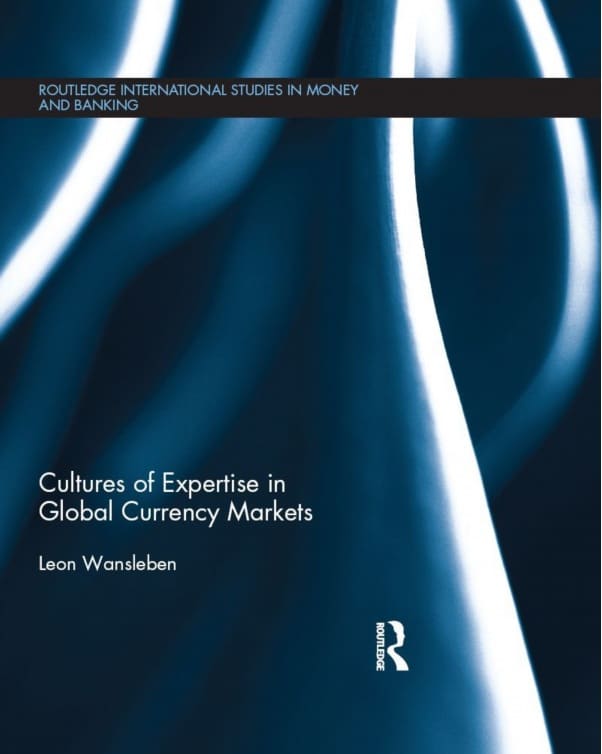
In a new series of articles, I will be reviewing books approximately once a month specifically related to trading. I am a fanatic reader, consuming on avg. 1-3 books a week, and often come across some great reads on trading, or building a successful mindset. Today’s forex trading book review is one my most recent reads Cultures of Expertise in Global Currency Markets by Leon Wansleben.
Overview
The book is a solid study of traders and analysts at a top 10 bank in Germany, focusing on the FX desk. The author is a sociologist by trade, spending a lot of time analyzing the interactions between members on the FX desk.
It goes without saying parts of the book are highly ‘academic‘ in nature. This is key, because you will find yourself going through pages and pages of ideas which are aptly named ‘theories’.
We are traders – we deal in the reality of profits and losses, managing our risk models, emotions and mindset. Sociological theories by themselves will have little benefit to us. Regardless, the book has some highly valuable information, so onto the gems inside.
Pros
Want to find out a lot of interesting information on bank professionals? Then you’ll find this book interesting on such things as;
-how bank traders make trading decisions
-interactions with the analysts
-day to day activities
It is clear by the end of the book (if it wasn’t already), bank traders are highly aware of fundamental data/announcements. Sometimes this info is primary. Other times they are strictly concerned with the ‘flow data‘, or order flow and transactions from incoming hedge funds and participants.
Price Action & Intra-day Trading
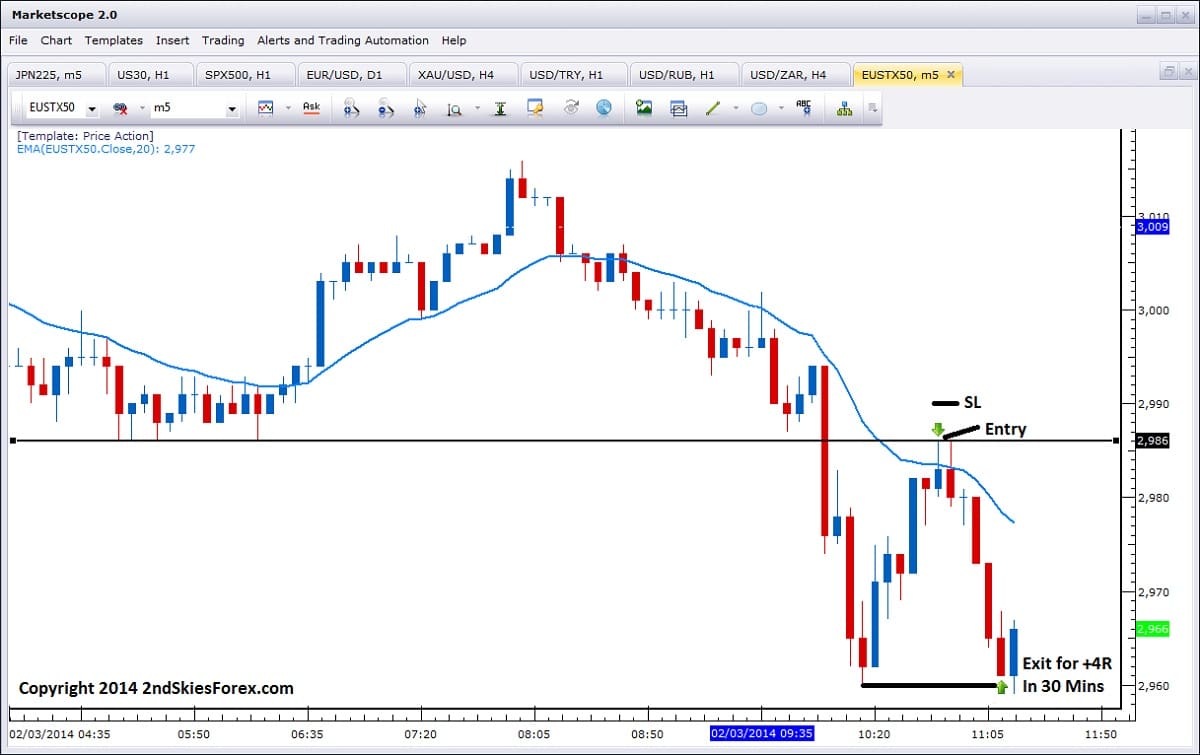
One thing is clear – desk traders are primarily focused on the price action in real time. They are without a doubt trading intra-day on an active basis, while also building longer term positions in their book.
Hence, any ‘guru’ or ‘authority’ out there touting how ‘higher time frames‘ are the way the institutions trade, has no idea what they are talking about and spouting a complete fiction.
Interactions
The author does a really good job providing insights between the traders, analysts, salespeople and how they interact daily. He shows several diagrams of the layout, seating positions & conversations during specific meetings for an inside look into FX trading desks at large banks.
Traits of Top Traders
Another key point you quickly realize, is how the top traders manage risk, are incredibly disciplined, and have emotional courage to perform at the top levels.
Also you’ll begin to understand how critical intensive screen time is to developing a high level of trading skill. For those trading daily and 4hr strategies only, you won’t build a solid base of skill trading just 30 mins to 1 hr per day. Hence, you’ll need to augment this by accelerating your learning process, which I’ll describe how in a future article for those with full time jobs.
The Cons
Being written by a research fellow at a University, the book has a certain academic feel, which unless you are into academic theories, you will likely find these parts uninteresting.
My suggestion is anytime the author launches into a discussion about such theories, you can skip forward till they start engaging how the traders, analysts or salespeople act on a daily basis. This is where the real juice is for you IMO.
Another con is the price. Being over $100 – compared to most trading books, it’s on the upper end. You can ‘rent’ it for 1/4th the price, which would be my suggestion if you just want the nuggets inside.
In Summary
For those wanting an insight into the FX institutional world and how bank professionals trade, this will be an informative book. Most likely, it will change how you trade and approach the markets. That in and of itself means the book has value.
For those feeling like they should ignore fundamentals, you’ll probably find yourself re-evaluating this position. Minimally you’ll want to be aware of such events, and consider studying them a little bit further (without diving too intensely into them).
Along those lines, how do you relate to fundamental/economic events? Do you study them, just know of them, or trade through them? And for those trading only daily and 4hr strategies, what do you do to accelerate your learning curve?